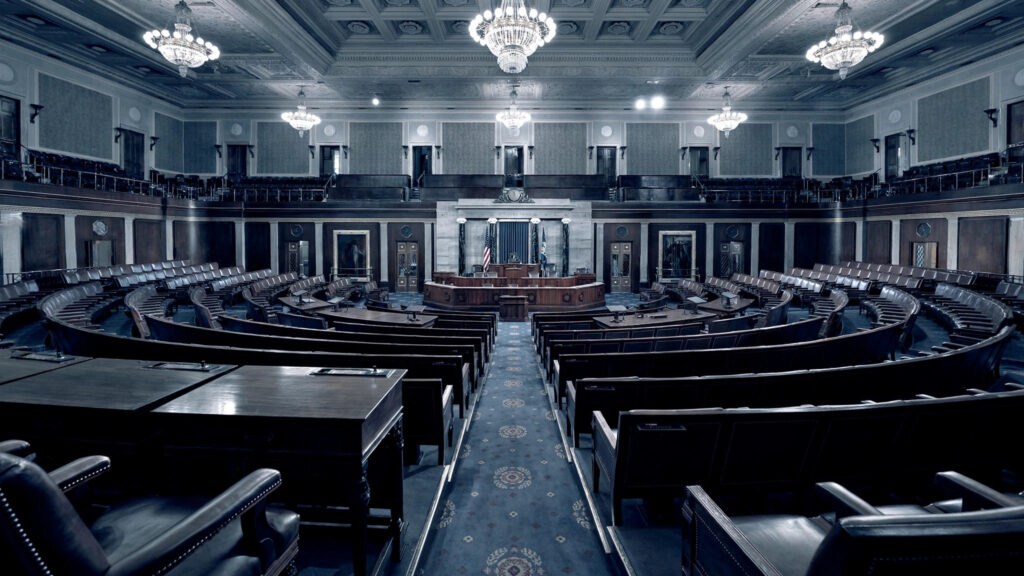
Few features of American government are as famous, as controversial, or as misunderstood as the filibuster. It is the reason major bills can stall in the Senate even when a majority of senators support them, and it is at the center of nearly every modern debate about whether Washington can get anything done. So what is the filibuster, exactly? In short, it is a Senate tradition that allows extended debate to delay or block a vote, and it effectively means most legislation needs 60 of the 100 senators on board to pass. This guide explains how it works, where it came from, and why it still matters.
Table of Contents
- The Filibuster, Defined
- A Brief History of the Filibuster
- How the Filibuster Works Today
- Cloture and the 60-Vote Threshold
- The Debate Over Reforming or Ending It
- Key Takeaways
The Filibuster, Defined
At its core, a filibuster is any tactic used in the US Senate to delay or prevent a vote on a measure by extending debate. The classic image comes from old movies: a senator holding the floor for hours, reading recipes or the phone book, refusing to yield. That “talking filibuster” still exists in theory, but the modern filibuster rarely involves anyone actually talking. Today, a senator or group of senators can simply signal that they will filibuster, and the bill stalls unless the Senate can muster the votes to cut off debate.
The filibuster is not in the Constitution. It emerged from Senate rules and traditions, specifically the absence of any rule limiting how long senators may speak. The House of Representatives, with 435 members, adopted strict debate limits long ago; the Senate, designed as the smaller, more deliberative chamber, never did. That difference is the entire foundation of the filibuster: unlimited debate, weaponized as a delaying tactic.
It is important to distinguish the filibuster from an ordinary “no” vote. A filibuster does not defeat a bill on its merits; it prevents the Senate from voting on it at all. Understanding that distinction is key to understanding how the Senate actually passes laws, because the real battle is usually over whether a vote happens, not how the vote goes.
A Brief History of the Filibuster
The filibuster’s roots trace to 1806, when the Senate cleaned up its rulebook and inadvertently dropped the “previous question” motion that could have ended debate. For decades the loophole sat mostly unused. The first famous filibusters came in the mid-1800s, and the tactic grew steadily through the 20th century. Its darkest chapter was its use by segregationist senators to block civil rights legislation, most notoriously the 60-day filibuster against the Civil Rights Act of 1964, which was finally overcome and became a landmark of American law.
Two rule changes shaped the modern filibuster. In 1917, the Senate adopted Rule XXII, creating “cloture,” a procedure to end debate with a two-thirds vote (later reduced to three-fifths, or 60 senators, in 1975). Then in the 1970s, the Senate created a “two-track” system allowing other business to proceed during a filibuster. That reform had an unintended consequence: it made filibustering painless. Senators no longer had to hold the floor around the clock; they could simply threaten a filibuster and move on. Filibusters exploded in frequency from a rarity to a routine feature of nearly every contested bill.
The so-called “nuclear option” further changed the landscape. In 2013, the Senate majority lowered the cloture threshold to a simple majority for most nominations (excluding the Supreme Court); in 2017, that exception was extended to Supreme Court nominees. Legislation, however, still requires 60 votes to overcome a filibuster, which is why judicial confirmations now move on party-line votes while most bills do not.
How the Filibuster Works Today
In practice, the modern filibuster works like this. The Senate majority leader wants to bring a bill to a final vote. The minority leader signals that 41 or more senators will oppose cloture, meaning debate cannot be ended. The majority leader then faces a choice: find 60 votes, negotiate changes to win over holdouts, or set the bill aside. Most of the time, the bill is set aside. The mere threat, often called a “silent filibuster,” does the work without any dramatic floor speeches.
This dynamic gives the Senate minority enormous leverage. A unified minority of 41 senators can block virtually any legislation they oppose, which forces the majority to either compromise or find alternative legislative vehicles. One famous workaround is budget reconciliation, a special process that allows certain tax and spending bills to pass with a simple majority and cannot be filibustered. Major laws on taxes and health care have been shaped, and sometimes distorted, by the need to fit through the reconciliation process, a topic explored further in guides to how economic legislation moves through Congress.
The result is a Senate where the effective threshold for passing most laws is 60 votes, not 51. In an era of narrow majorities, that threshold is often out of reach, which is why so much attention focuses on the handful of senators whose votes determine whether cloture succeeds.
Cloture and the 60-Vote Threshold
Cloture is the formal motion to end debate and force a vote. Under current Senate rules, invoking cloture on legislation requires 60 votes, or three-fifths of the Senate. If cloture succeeds, debate is limited to 30 additional hours and a final vote follows. If it fails, the bill remains stuck. The Senate publishes cloture vote records, and you can look up recent ones on Congress.gov to see exactly which measures cleared the bar and which did not.
The 60-vote rule creates a distinctive rhythm in the Senate calendar. Majority leaders routinely file cloture on nominations and bills as a scheduling tool, and the resulting votes serve as public tests of where each senator stands. Failed cloture votes are often messaging moments: the majority forces the minority to go on record blocking a popular bill, hoping the political pressure changes the calculus.
One common point of confusion: cloture is not the same as passage. A bill can survive a cloture vote 60-40 and then pass 51-49. The 60-vote hurdle applies only to ending debate. That is also why the filibuster debate is really a debate about the threshold for deliberation, not about majority rule on final passage itself.
The Debate Over Reforming or Ending It
Few topics in American politics generate as much heated argument as the filibuster’s future. Supporters argue it is the Senate’s defining feature: a protection for minority rights that forces bipartisanship and prevents wild policy swings every time control of Washington changes hands. In this view, the 60-vote threshold is what makes the Senate the “cooling saucer” of democracy, encouraging compromise and stable lawmaking.
Critics counter that the filibuster has become a tool of pure obstruction that thwarts the will of the majority and makes the government unresponsive. They point to its history as a weapon against civil rights, the explosion of its use since the 1970s, and the fact that it now blocks even bills with broad public support. Reform proposals range from modest, such as requiring a real talking filibuster again, to sweeping, such as lowering the cloture threshold or exempting certain topics like voting rights.
Both parties have flipped their positions depending on whether they hold the majority, which is why the debate never quite resolves. Senators in the minority praise the filibuster as sacred; the same senators in the majority denounce it as broken. For voters trying to make sense of gridlock, the honest answer is that the filibuster is both things at once: a genuine protection for deliberation and a genuine engine of obstruction. For a plain-English overview of Senate procedure, USA.gov offers a good starting point alongside deeper dives into civics education resources.