
Overview of U.S. Citizenship
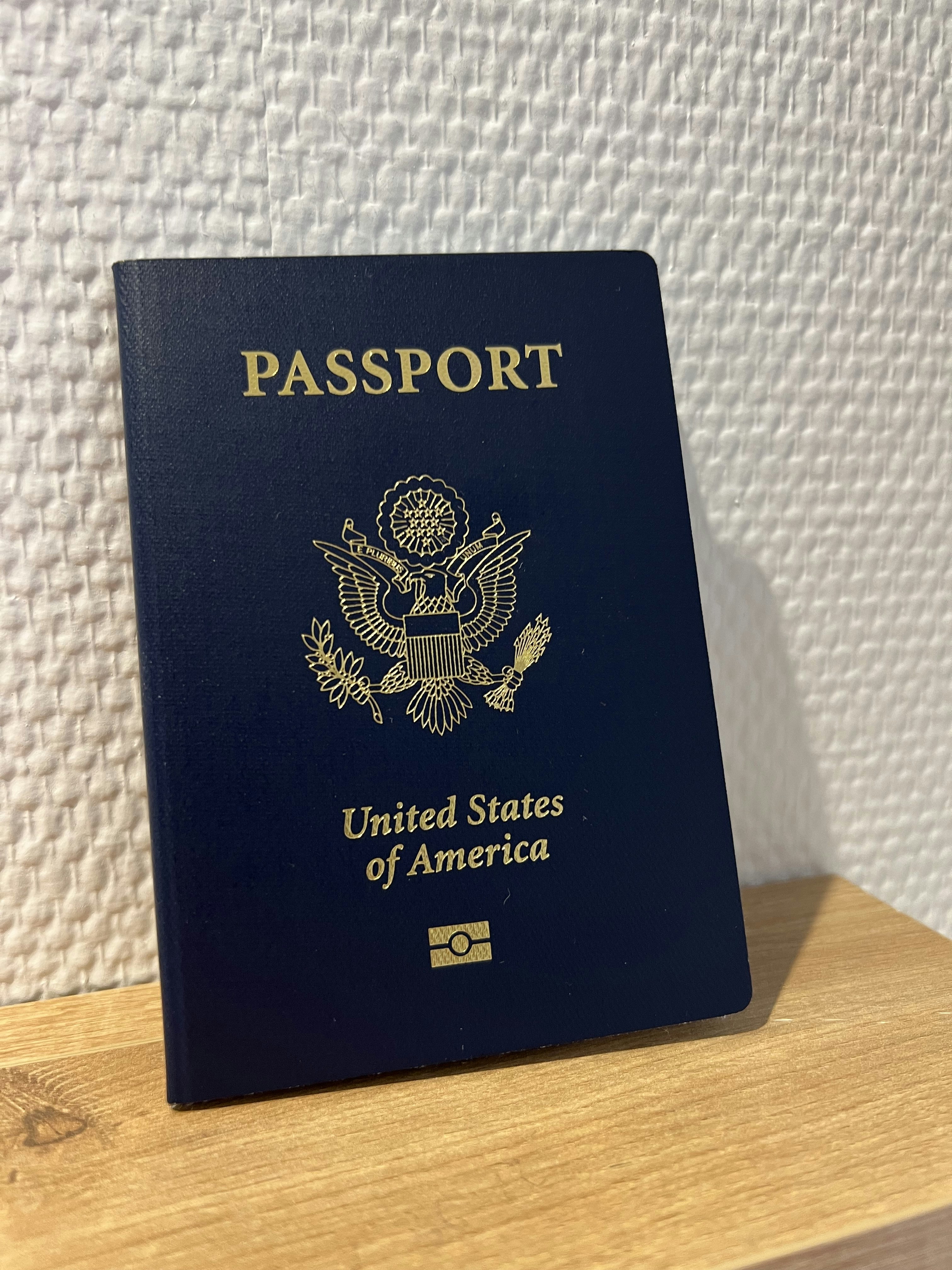
U.S. citizenship is a crucial legal status that confers full membership in the United States, granting individuals a host of significant rights and responsibilities. Citizenship provides an individual with the right to vote in elections, apply for federal employment, and, most importantly, receive protection from deportation. This status also allows citizens to obtain a U.S. passport, which facilitates international travel and signifies American nationality.
The journey toward U.S. citizenship can be undertaken through various pathways. The most common route is through naturalization, primarily designed for lawful permanent residents who have held their green card for a minimum period, typically five years, or three years if married to a U.S. citizen. Naturalization is often seen as the most accessible way for immigrants to become full citizens, allowing them to fully participate in the rights and duties that citizenship entails.
Understanding the importance of U.S. citizenship involves recognizing the considerable benefits it offers. Besides providing legal rights, U.S. citizenship fosters a sense of belonging and community among individuals. Citizens can also benefit from various social services, access to education, and eligibility for federal programs that are not available to non-citizens. Furthermore, holding U.S. citizenship may enable individuals to sponsor family members for permanent residency, thus reuniting families and contributing to the social fabric of the country.
Moreover, U.S. citizens are required to fulfill certain responsibilities, including obeying the law, serving on juries when called, and paying taxes. These duties ensure that citizens actively participate in and support the democratic process. Ultimately, the application for U.S. citizenship represents a significant commitment to the ideals and values that the nation upholds, marking an important milestone in an immigrant’s journey.
Eligibility Requirements for U.S. Citizenship
To apply for U.S. citizenship through the naturalization process, applicants must satisfy several eligibility requirements. First and foremost, candidates must be at least 18 years old at the time of application. This age requirement ensures that applicants have the requisite maturity and responsibility to become U.S. citizens.
Another critical component is the residency duration. Generally, applicants must have been lawful permanent residents (green card holders) for at least five years. However, for individuals married to U.S. citizens, the requirement is reduced to three years, provided they have lived with their spouse during this time. Continuous residency is paramount; applicants should not have taken any trips abroad that lasted six months or longer, as such absences can disrupt the continuity of residence.
Good moral character is another essential eligibility criterion. Applicants are expected to demonstrate moral integrity during the five-year residency period prior to their application. This includes adhering to the laws of the United States, as any criminal history, particularly serious offenses, may affect one’s eligibility.
Proficiency in the English language is also required. Applicants must have the ability to read, write, and speak basic English. This is assessed through the naturalization interview, where candidates are asked to complete specific tasks to demonstrate their language skills.
Finally, knowledge of U.S. history and government is vital for prospective citizens. Applicants must pass a civics test that covers fundamental aspects of U.S. history, government structure, and rights and responsibilities of citizenship. Understanding these subjects reinforces the applicant’s commitment to the values and principles that underpin U.S. citizenship.
The Application Process for U.S. Citizenship
Applying for U.S. citizenship involves a comprehensive series of steps, beginning with the completion of Form N-400, the Application for Naturalization. Prospective citizens must ensure they meet eligibility requirements, such as being a lawful permanent resident for at least five years, or three years if married to a U.S. citizen. Accuracy is critical when filling out Form N-400, as errors can lead to delays or denial of the application. Review each section thoroughly and provide honest and complete information to avoid complications.
After completing Form N-400, the next step is to gather and submit the required documentation. This typically includes a copy of your Green Card, photographs that meet specific criteria, and any other documents that substantiate your eligibility. It is advisable to keep copies of everything submitted, as this may assist in verifying your application status later. Once your application package is prepared, you must submit it along with the necessary fee to the United States Citizenship and Immigration Services (USCIS).
Upon approval of your application, you will receive a notice to attend a biometric appointment where your fingerprints and photo will be taken. This appointment is crucial for conducting a background check and secures your identity throughout the process. Following the biometrics appointment, the next significant milestone is the citizenship interview. During this interview, an immigration officer will review your application, verify your eligibility, and assess your knowledge of U.S. history and civics. Preparing for this interview, including studying necessary materials and practicing responses to commonly asked questions, can significantly increase your chances of success.
The Naturalization Ceremony: What to Expect
Once your application for U.S. citizenship has been approved, the next crucial step is the naturalization ceremony. This event marks the final milestone of the citizenship application process and is where individuals who have applied for citizenship officially take the Oath of Allegiance. Usually, the U.S. Citizenship and Immigration Services (USCIS) organizes the ceremony, often in a formal setting, such as a local civic center or courthouse.
Prior to the ceremony, applicants receive a notification from USCIS that includes the date, time, and location of the event. It is important to arrive on time and to bring any necessary documentation, such as your appointment notice and a government-issued identification. The ceremony typically includes a brief introduction, during which officials outline the significance of the event. This serves as a reminder of the responsibilities and privileges that accompany U.S. citizenship.
During the ceremony, attendees participate in the Oath of Allegiance, a significant moment that symbolizes the commitment to uphold the values and laws of the United States. This oath is not only a legal obligation but also an emotional experience for many, as it signifies a new beginning in their lives. The moment one recites the oath and receives the Certificate of Naturalization is often filled with joy and a profound sense of accomplishment.
Finally, the naturalization ceremony is an opportunity for new citizens to celebrate their achievements alongside family and friends. Many attendees feel a strong emotional connection during this event, which signifies not just the formal acceptance into American society but also a commitment to engage actively in their communities. Overall, the significance of the naturalization ceremony extends beyond paperwork; it is a celebratory acknowledgment of the journey toward becoming a U.S. citizen.