
What is the Electoral College?
The Electoral College is a pivotal mechanism in the United States presidential election process. Established by the framers of the Constitution, it serves as a compromise between direct popular voting and election by Congress. This unique system was designed to ensure that both the popular will and the interests of the states are represented in the selection of the president. Originally conceived as a means to balance the influence of populous states against less populous ones, the Electoral College allocates electors to each state based on its representation in Congress, comprising both Senate and House members.
In total, there are 538 electors in the Electoral College, and a candidate must secure a majority—at least 270 votes—to win the presidency. Each state’s number of electors equals the total number of its Senators and Representatives. For example, California, with its substantial population, has 55 electors, while smaller states like Wyoming have just three. This allocation can lead to the phenomenon where the distribution of electoral votes does not mirror the national popular vote, introducing complexities. The general structure includes the selection of electors, often chosen by state parties through popular vote during the general election. These individuals pledge their support to the candidate who secures the most votes in their state.
The difference between the Electoral College and direct popular voting is significant. In a direct popular vote system, each citizen’s vote carries equal weight in determining the outcome. Conversely, in the Electoral College, votes are instead converted into electoral votes, which can result in scenarios where a candidate wins the presidency without obtaining the majority of the popular vote. This layered approach to electing the president continues to be a topic of heated debate among scholars, politicians, and the electorate, raising questions about fairness, representation, and the democratic process.
How Votes are Cast and Counted in the Electoral College
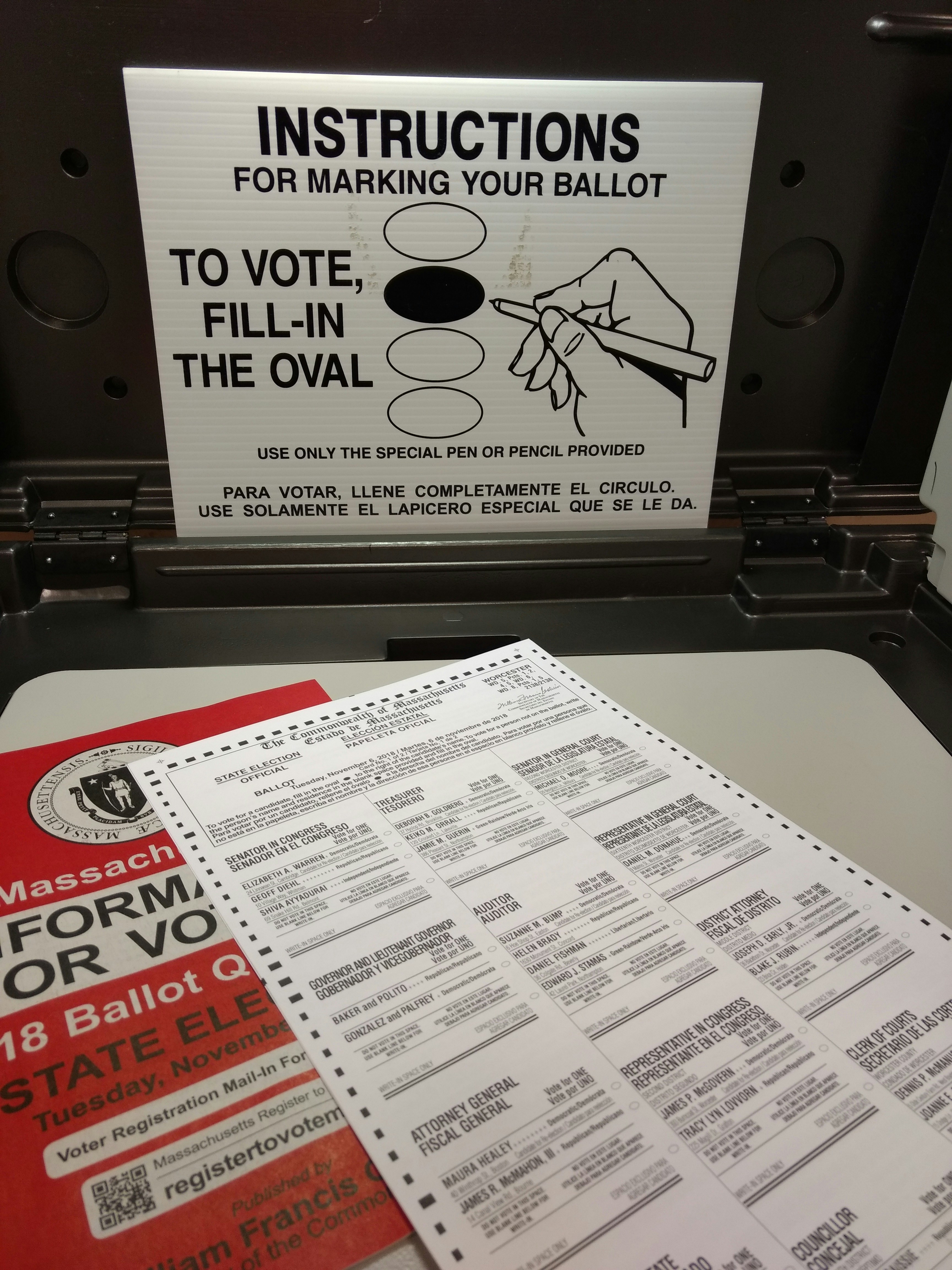
The process of casting and counting votes within the Electoral College is a crucial aspect of the United States presidential election system. During the general election, citizens cast their ballots for president on Election Day, which is held on the first Tuesday after the first Monday in November. Voters in each state select their preferred candidate, and these votes are essential in determining the allocation of the state’s electoral votes.
Each state has a number of electoral votes based on its population and representation in Congress, totaling 538 across all states. When citizens vote for a presidential candidate, they are actually casting their votes for the slate of electors pledged to that candidate. In most states, the candidate that receives the majority of the votes wins all of the state’s electoral votes. This method is known as ‘winner-takes-all.’ For example, if a candidate receives 51 percent of the votes in a state, they would receive all of that state’s electoral votes.
While the ‘winner-takes-all’ system dominates in the majority of states, there are exceptions. Maine and Nebraska allocate their electoral votes proportionally. In these states, instead of a single winner capturing all electoral votes, candidates can receive a proportionate share based on the percentage of votes they receive. This system allows for a more nuanced representation of voter preferences and can lead to a division of electoral votes between candidates.
After the general election, the electoral votes are counted in each state on the 1st of December but formally cast by the electors when they meet in their respective state capitals on the first Tuesday after the second Wednesday in December. Understanding this intricate process is vital for grasping how the Electoral College shapes the outcome of presidential elections in the United States.
The Role of Electors and Their Responsibilities
In the United States, electors play a fundamental role in the electoral process as they are the individuals selected to formally elect the President and Vice President. Each state is allocated a number of electors equal to its total number of Senators and Representatives in Congress, resulting in a total of 538 electors nationwide. This distribution is critical, as it reflects the population of each state, with larger states having more electors compared to smaller states.
The selection of electors varies by state but is commonly determined by political parties through a nominating process, usually during the state party conventions. Once the electoral votes are awarded following the popular vote in November’s general election, these electors pledge to support their party’s chosen candidate. This pledge, however, does not bind them legally in some states, and electors are permitted to change their votes, which can lead to the phenomenon known as “faithless electors.” This event occurs when an elector decides not to vote for the candidate they are pledged to, potentially influencing the outcome of the electoral vote.
During the official meeting of the Electoral College, held in mid-December, electors gather in their respective state capitals to cast their votes for President and Vice President. Each elector formally records their vote on a certificate that is then sent to Congress. It is crucial for voters to understand that while electors are expected to uphold their commitments, the occurrence of faithless electors has raised concerns about the reliability and integrity of the Electoral College system. This aspect underscores the complexities associated with the election process and highlights the potential implications of electors acting contrary to their pledges.
Implications and Controversies Surrounding the Electoral College
The Electoral College remains a controversial institution within the American political landscape, prompting significant debate over its implications for democratic representation and electoral fairness. Critics argue that the system disproportionately amplifies the influence of certain states, particularly swing states. In presidential elections, candidates often concentrate their campaigns in these battlegrounds, leading some constituents in reliably partisan states to feel marginalized and less motivated to participate in the electoral process, consequently affecting voter turnout.
Additionally, the mechanism by which the Electoral College allocates votes can result in outcomes where a candidate wins the presidency without securing a majority of the popular vote. Such instances raise fundamental questions about democratic legitimacy and representation. For example, there have been presidential elections in which candidates have won office despite receiving fewer overall votes than their opponents. This dissonance between the popular vote and Electoral College results fosters discontent and challenges the perception of an equitable electoral system.
In response to these issues, numerous proposals for electoral reform have emerged, with a significant push toward establishing a national popular vote. Proponents of this framework argue that it would promote a more direct form of democracy by ensuring that every vote carries equal weight, regardless of geographical location. However, detractors maintain that such reforms could diminish the importance of smaller states and local issues in national elections. The potential consequences of moving away from the Electoral College are vast and complex, with implications not only for electoral outcomes but also for the political dynamics and engagement of the electorate as a whole.