
Overview of Federal Student Loans
Federal student loans represent a crucial means of financing higher education for many Americans. These loans are funded by the government and offer various options tailored to the unique needs of borrowers. The primary types of federal student loans include Direct Subsidized Loans, Direct Unsubsidized Loans, and PLUS Loans, each with distinct features and eligibility requirements.
Direct Subsidized Loans are need-based loans available to undergraduate students. The government covers the interest on these loans while borrowers are in school at least half-time, during the six-month grace period after leaving school, and during any deferment periods. This benefit makes Direct Subsidized Loans an attractive option for students aiming to minimize their overall debt burden.
On the other hand, Direct Unsubsidized Loans are available to both undergraduate and graduate students, regardless of financial need. Interest on these loans begins accruing immediately after disbursement and continues throughout the life of the loan. Borrowers can choose to pay the interest while in school or allow it to accumulate, which can lead to a higher total repayment amount in the future.
PLUS Loans are designed specifically for graduate or professional students and parents of dependent undergraduate students. These loans allow for borrowing up to the cost of attendance minus any other financial aid received. While these loans can help cover significant educational expenses, they come with higher interest rates compared to both Direct Subsidized and Unsubsidized Loans.
Understanding the various types of federal student loans is fundamental for effective repayment planning. Each loan type has specific terms and benefits, and choosing the right one can significantly impact a borrower’s financial future. Knowledge of these loans empowers borrowers to make informed decisions when navigating their student loan journey.
Types of Repayment Plans
When it comes to repaying federal student loans, borrowers have several options, each designed to accommodate different financial circumstances. The main types of repayment plans include Standard Repayment, Graduated Repayment, Extended Repayment, and Income-Driven Repayment Plans.
The Standard Repayment Plan is the most commonly used option. Under this plan, borrowers repay their loans in fixed monthly payments over a period of up to 10 years. This plan is ideal for those seeking to minimize interest paid over the life of the loan. The clear advantage of this plan is its straightforward structure, allowing borrowers to know exactly how much they need to pay each month.
Another viable option is the Graduated Repayment Plan, which also spans up to 10 years but allows for lower initial payments that gradually increase, typically every two years. This plan can be beneficial for recent graduates who expect their income to rise over time.
For those with larger student loan balances, the Extended Repayment Plan may offer a better solution. This plan extends the repayment term up to 25 years, enabling borrowers to achieve lower monthly payments. However, it is essential to consider that this may result in higher total interest paid over time.
Lastly, Income-Driven Repayment Plans are designed to adjust monthly payments based on a borrower’s income and family size. These plans include the Income-Based Repayment (IBR), Pay As You Earn (PAYE), and Revised Pay As You Earn (REPAYE) Plans. They are particularly useful for individuals whose income may not sufficiently cover standard payment amounts, ensuring that payments remain affordable.
By evaluating the characteristics and requirements of each repayment plan, borrowers can make informed decisions, aligning their repayment strategy with their financial goals.
How to Choose the Right Repayment Plan
Selecting the appropriate federal student loan repayment plan is a critical decision that can significantly impact your financial health. It is imperative for borrowers to conduct a thorough assessment of their financial situation and long-term goals before making this choice. Several key factors must be considered to ensure that the selected repayment strategy aligns with personal financial objectives.
Firstly, one should evaluate their income level. Borrowers with fluctuating incomes may benefit from income-driven repayment (IDR) plans, which adjust monthly payments based on earnings. This adaptability can provide financial relief during periods of lower income while allowing for manageable payment amounts during more stable financial times. Conversely, those with a steady, higher income might opt for standard or graduated repayment plans to pay off their loans faster and minimize interest costs.
Beyond income, loan balance plays a decisive role in determining the most advantageous repayment plan. Borrowers with lower balances might consider the standard repayment plan to eliminate debt swiftly, while those with significant balances may find IDR plans more manageable over an extended period. Additionally, it is essential to analyze the total repayment term. Longer repayment terms generally mean lower monthly payments, but they can lead to increased interest costs over time.
Moreover, a borrower’s long-term financial objectives must be factored into this decision. This includes considerations such as savings goals, potential home purchases, or further education. Aligning the repayment plan with these objectives can help ensure that student loan payments do not hinder future financial plans. Evaluating personal circumstances and future goals diligently will ultimately lead to the selection of a repayment plan that best fits the borrower’s needs.
Managing Repayment and Resources for Help
Successfully managing federal student loan repayment requires a combination of discipline, knowledge, and access to appropriate resources. Borrowers are encouraged to understand their repayment options fully to choose a plan that best fits their financial situation. One effective strategy is to create a budget that accommodates monthly loan payments, ensuring that they remain a priority. Utilizing a calendar or reminder system can help borrowers stay on track with their payment schedule and avoid late fees.
Another key aspect of managing repayment is maintaining communication with loan servicers. These entities are responsible for overseeing loan accounts and can provide valuable assistance to borrowers. If financial hardship arises, it is crucial to reach out to the loan servicer promptly to discuss deferment or forbearance options, which temporarily suspend payments without defaulting on the loan.
In addition to loan servicers, borrowers may find value in seeking guidance from financial advisors who specialize in student loans. Such professionals can offer tailored strategies for repayment that consider individual financial circumstances, including income-driven repayment plans. Moreover, student loan counseling services provide resources that educate borrowers on debt management and financial planning, equipping them to handle their loans more efficiently.
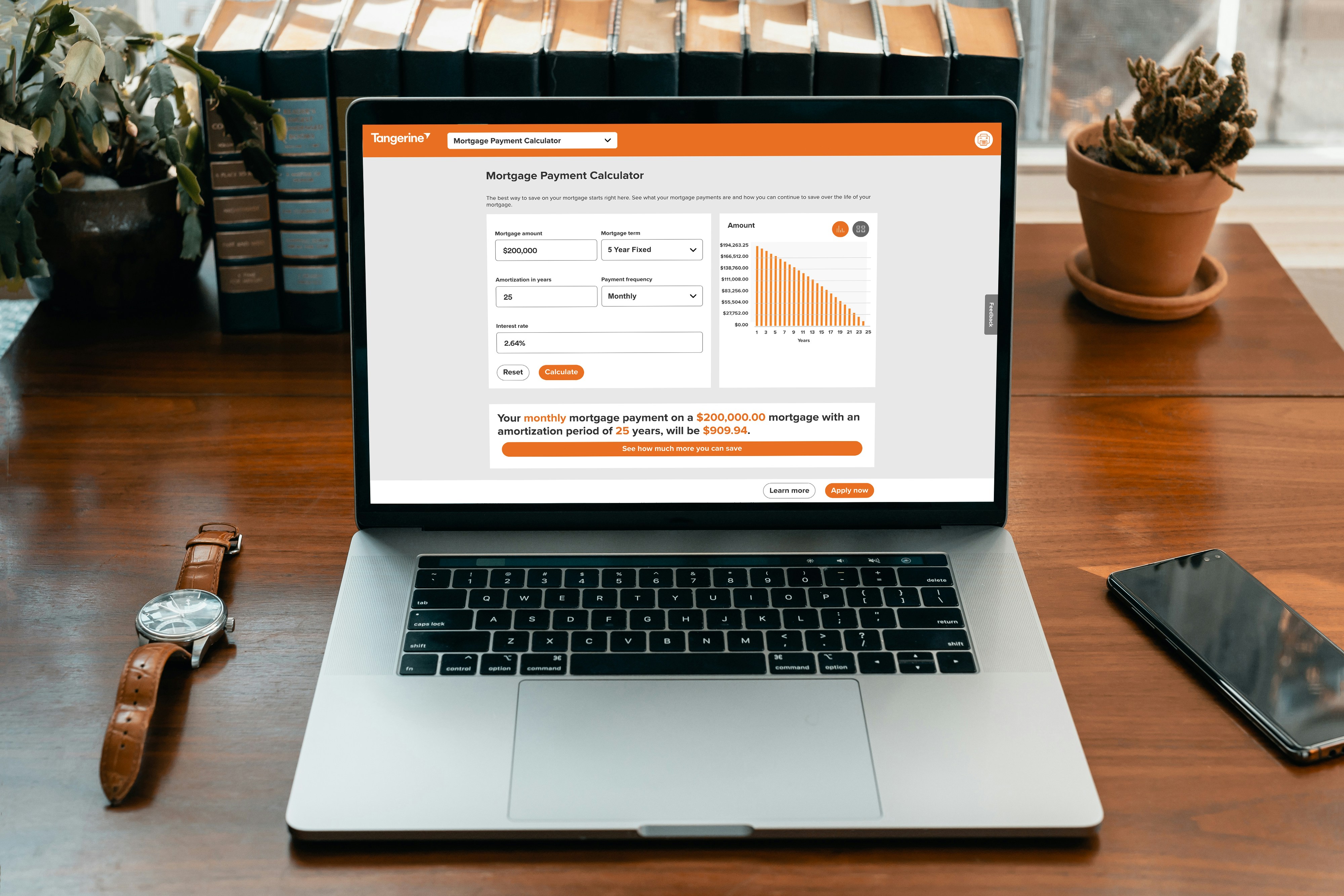
For those who prefer self-directed help, numerous online resources and forums are available. Websites dedicated to financial education often feature calculators and tools designed to estimate monthly payments, analyze repayment strategies, and offer tips for managing student debt. Joining community groups or online platforms where borrowers share experiences can also be beneficial, providing both emotional support and pragmatic advice.
By combining proactive repayment strategies with professional and online resources, borrowers can better navigate the complexities of federal student loan repayment, ultimately leading to more informed financial decisions and successful loan management.