
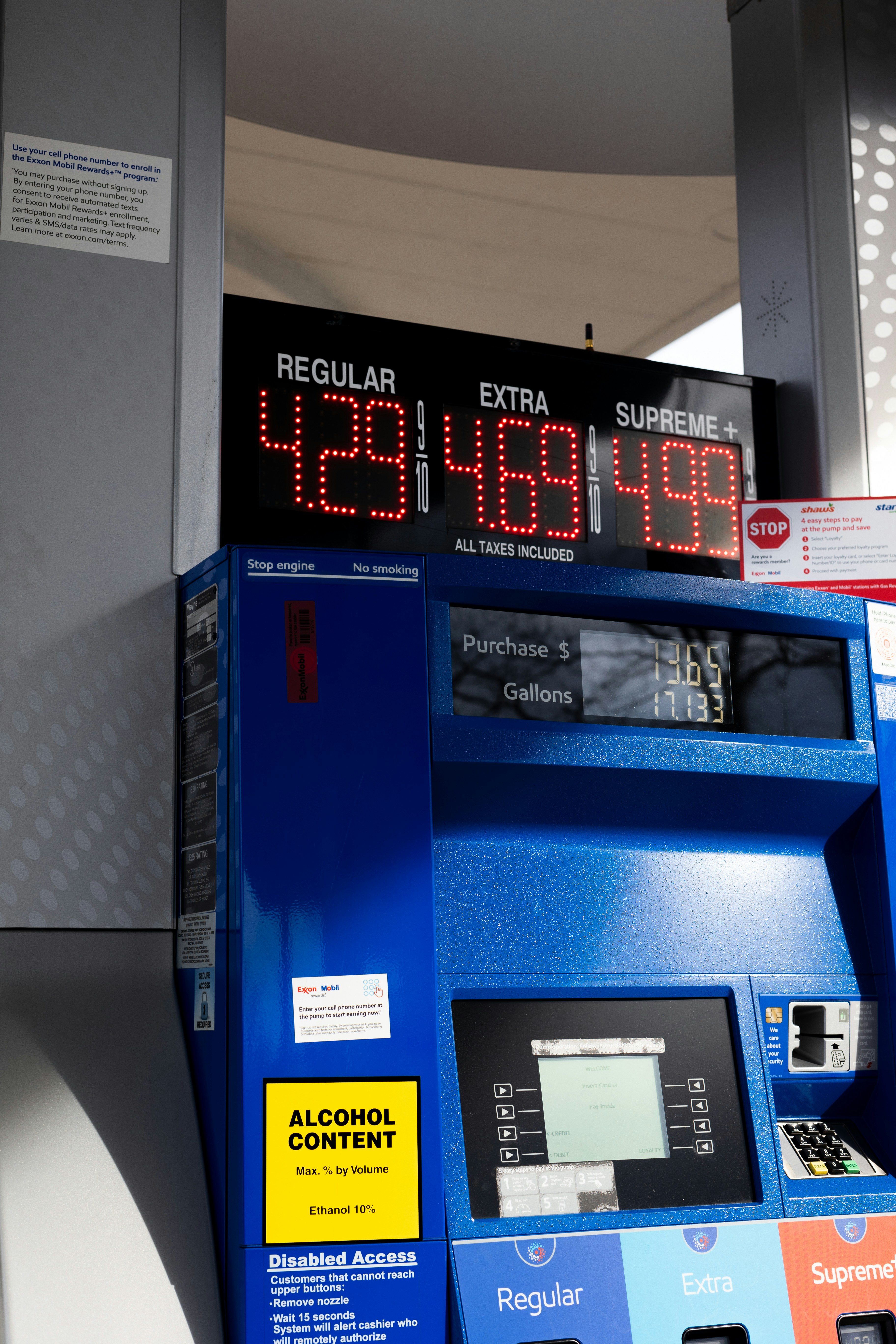
Introduction to Rising Gas Prices
Gas prices in the United States have recently surged, catching the attention of consumers and economists alike. Currently, average prices at the pump have escalated significantly compared to previous years, largely driven by a combination of factors impacting the global oil market. Among these influences are geopolitical tensions in oil-producing regions, fluctuating supply and demand dynamics, and ongoing domestic production challenges.
One critical factor contributing to the recent increase in gas prices is the instability caused by geopolitical strife, notably in areas rich in oil reserves. Conflicts or tensions can lead to uncertainty regarding supply, resulting in higher prices as traders react to perceived risks. Additionally, global demand for oil has been rebounding, amid an overall economic recovery from recent downturns, placing additional upward pressure on prices. This dynamic is further complicated by supply chain disruptions that have been exacerbated by both natural disasters and global trade policies.
To put the current situation into context, it is essential to reflect on historical gas price trends. For instance, past crises, such as the oil embargoes of the 1970s and the spikes during the Gulf War, serve as reminders of how quickly prices can elevate under external pressures. Today’s prices may not have reached the highs of those historical periods; however, they still present significant burdens for consumers, affecting their purchasing power and overall economic well-being. Understanding these historical parallels not only helps clarify the significance of the current rise in gas prices but also illustrates the potential long-term impacts on the economy.
Effects on Consumers and Households
The increase in gas prices has significant repercussions for consumers and households across the United States. With gasoline serving as a critical component of transportation costs, households are often the first to feel the financial strain associated with rising prices at the pump. As fuel expenditures climb, the total cost of commuting, managing errands, and transporting goods increases accordingly, leading to a notable impact on household budgets.
When gas prices rise, many consumers are forced to adjust their monthly budgets to accommodate these higher transportation costs. This often involves reallocating funds from discretionary spending towards essential expenses, particularly for those who rely heavily on personal vehicles for daily transportation. As a result, households may cut back on non-essential items, ranging from dining out and entertainment to clothing and home improvement projects. This shift in spending patterns can further contribute to slowdowns in local economies, as businesses that rely on consumer spending for their revenues may experience decreased sales.
Moreover, rising gas prices can lead to broader inflationary pressures on essential goods and services. As transportation costs increase, businesses may pass on these expenses to consumers in the form of higher prices for goods. This phenomenon can extend to a wide range of sectors, from food and household supplies to healthcare and utilities. Consequently, the cumulative effect of increased transportation costs and their subsequent impact on pricing can exacerbate the financial challenges faced by households across the nation.
In conclusion, the rising gas prices have tangible effects on consumers and households, influencing their spending behaviors and overall financial well-being. The changes in transportation costs, shifts in consumer spending, and potential inflationary pressures underscore the critical importance of monitoring gas price trends and their far-reaching implications for the economy.
Impact on Businesses and the Supply Chain
The rising gas prices can have profound implications for businesses, particularly those heavily dependent on transportation and logistics, such as shipping companies and retailers. Increased fuel costs directly affect operating expenses, as these businesses incur higher expenditures in transporting goods from suppliers to consumers. Consequently, these elevated operational costs can cascade through the supply chain, influencing pricing strategies and potentially leading to increased prices for consumers.
For shipping companies, fuel represents a substantial portion of overall costs. As gas prices rise, these companies may seek to pass on increased costs to their clients, which can affect shipping rates and logistics pricing. Businesses could witness a ripple effect where higher shipping costs lead to elevated product prices at retail outlets. Retailers, aiming to maintain profit margins, may find it necessary to increase the prices of their goods in response to the heightened transportation expenses.
Additionally, the indirect effects of rising gas prices can pose challenges for small businesses. Many small enterprises operate on narrow margins, making them particularly vulnerable to fluctuations in fuel costs. Increased transportation expenses can hinder their ability to compete with larger corporations that might absorb costs more effectively. As a result, small businesses may be compelled to reduce their workforce or limit hiring due to budget constraints linked to the increased costs of doing business.
Furthermore, the overall job market may also be influenced by rising fuel prices. As businesses struggle with elevated operational costs, the potential for job creation may diminish, impacting economic growth. Companies may need to reevaluate their logistics strategies, seeking more efficient transportation methods or alternative energy sources, which could ultimately reshape the supply chain landscape.
Broader Economic Implications
Rising gas prices are a significant concern for the overall economy as they can contribute to inflationary pressures. As fuel costs increase, businesses may face higher transportation expenses, which can subsequently lead to increased prices for goods and services. This escalation in prices can erode purchasing power, effectively reducing consumers’ disposable income and leading to lower spending on non-essential items.
Furthermore, the increase in fuel costs can indirectly impact interest rates. The Federal Reserve often considers inflation trends when making decisions about monetary policy. Sustained increases in gas prices can prompt the Fed to raise interest rates in an effort to curb inflation. Higher interest rates can, in turn, affect borrowing costs for consumers and businesses, potentially slowing economic growth. Thus, the interconnection between gas prices and interest rates highlights the broader implications of energy costs on the economic landscape.
Consumer confidence is another area that can be adversely affected by rising gas prices. When individuals perceive that their cost of living is increasing due to fuel price hikes, they may become more cautious about their spending habits. This shift in consumer behavior can lead to decreased retail sales and overall economic slowdown. In this context, businesses may experience decreased revenues, prompting them to scale back on hiring and investment, further exacerbating the economic challenges.
In light of these issues, policymakers and industry leaders may consider long-term shifts in energy policy. A persistent rise in oil prices could accelerate the transition toward alternative energy sources and sustainability initiatives. Investments in renewable energy technologies may be seen as vital to reducing reliance on fossil fuels and mitigating the economic vulnerabilities associated with volatile gas prices. Such changes in energy strategy could have enduring effects on the environment and the economy alike.