
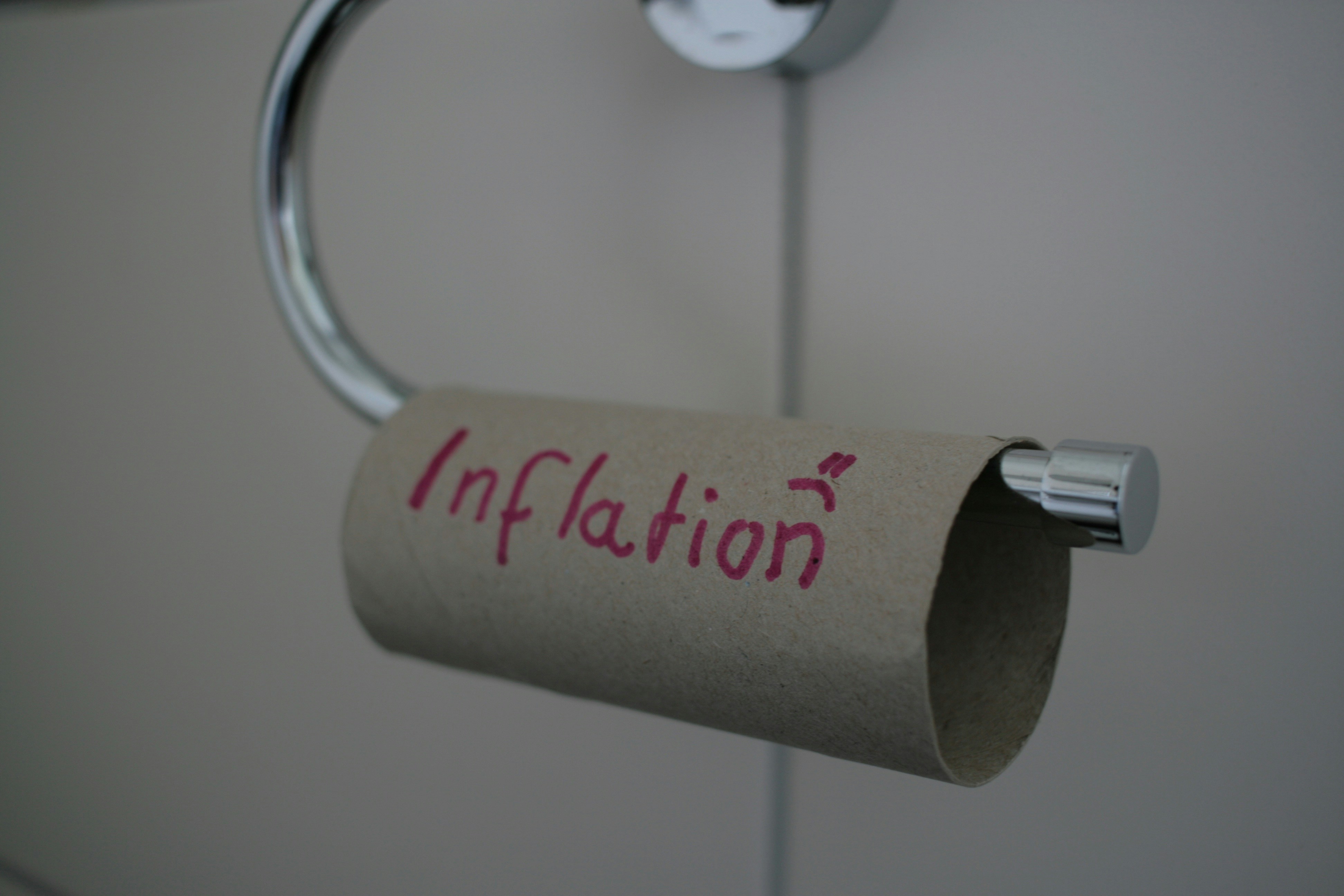
Understanding Inflation: What It Is and Why It Matters
Inflation is defined as the rate at which the general prices of goods and services in an economy rise, leading to a decrease in the purchasing power of money. It reflects how much more expensive a set of goods and services has become over a certain period, typically measured annually. While moderate inflation is normal in a growing economy, excessive inflation can have detrimental effects, particularly on middle-class families.
There are various types of inflation, including demand-pull inflation, cost-push inflation, and built-in inflation. Demand-pull inflation occurs when the demand for goods and services exceeds their supply, often during periods of economic growth. On the other hand, cost-push inflation arises when the costs of production increase, leading suppliers to raise prices to maintain profit margins. Built-in inflation, also known as wage-price inflation, is the result of rising wages contributing to increased costs for employers, which are then passed on to consumers through higher prices.
The impact of inflation on middle-class families is particularly significant. As inflation drives up living costs, families often find their disposable income squeezed. Essential expenses such as housing, transportation, and groceries can rise sharply, leading to a diminished quality of life. For middle-class households that often operate on fixed incomes or rely on salaries with limited wage growth, inflation can erode purchasing power and destabilize financial plans.
Furthermore, when inflation rates increase faster than wages, the traditional middle-class lifestyle can become unattainable for many families. Savings can lose value, making it more challenging for families to prepare for future expenses or emergencies. Therefore, understanding inflation and its implications is crucial for middle-class families as they navigate the economic landscape.
The Specific Effects of Inflation on Middle-Class Household Finances
Inflation has become a significant concern for middle-class families across the United States, as it directly affects their household finances in various ways. The rising prices of essential goods and services—such as food, housing, healthcare, and fuel—pose substantial challenges. For instance, the cost of groceries has seen a notable increase, often leading families to make difficult choices regarding their dietary options. In many cases, they are forced to shift towards cheaper, less nutritious food options, which may have a long-term impact on health.
Housing costs are another critical area influenced by inflation. Many middle-class families find themselves burdened by increasing rent or mortgage payments as property values rise. This pressure on housing expenses can considerably limit their ability to allocate funds towards savings and investments. Moreover, the costs associated with healthcare have also surged, leading to increased out-of-pocket spending on medical treatments, prescriptions, and insurance premiums, further straining the finances of these families.
In addition to these rising costs, households face the challenge of adjusting their budgets and spending habits. Many are compelled to reduce discretionary spending—on items such as entertainment, dining out, and vacations—as they prioritize essential expenses. This shift in spending patterns can diminish overall quality of life, leading to feelings of frustration and stress among families.
The prospect of saving and investing grows increasingly daunting during high inflation periods. With the value of savings eroded by rising prices, many middle-class families struggle to find adequate returns on their investments that can outpace inflation. Consequently, financial advisors recommend that households actively seek inflation-protected investment options, such as Treasury Inflation-Protected Securities (TIPS) and other alternative assets to preserve their purchasing power.
Through these compounded effects, it is clear that inflation places an overwhelming burden on middle-class households. Understanding the ramifications of inflation is essential for families to navigate their financial futures effectively.
As inflation continues to strain the financial well-being of middle-class families in the U.S., adopting effective coping strategies becomes imperative. These strategies can help mitigate the effects of rising prices on everyday expenses, allowing households to navigate through this challenging economic landscape.
One of the fundamental approaches to managing the financial impact of inflation is establishing a comprehensive budgeting technique. Middle-class families can start by listing all sources of income alongside their monthly expenses. By differentiating between needs and wants, families can prioritize essential expenditures, such as housing, utilities, and groceries, while reconsidering discretionary spending. This method can allow families to identify areas where they can cut back without deeply impacting their quality of life.
Additionally, exploring alternative sources of income can provide much-needed financial relief during inflationary periods. Families might consider part-time employment opportunities, freelance gigs, or online ventures that align with their skills and schedules. This supplemental income can help ease the burden created by increased living costs and safeguard their financial stability.
Adjusting spending habits is another practical strategy. Buying in bulk, utilizing coupons, and seeking sales or discounts can significantly reduce household expenditures. Families may also consider adopting a more frugal lifestyle, such as cooking at home instead of dining out or opting for public transportation rather than relying on personal vehicles, particularly when gas prices fluctuate.
Moreover, leveraging community resources or support programs can be advantageous for middle-class families facing financial constraints. Many organizations offer food assistance, utility assistance, and financial literacy programs, which can empower families to make informed financial decisions during challenging times.
Ultimately, these coping strategies not only assist families in adapting to rising costs but may also lead to long-term changes in lifestyle choices and financial planning. It is essential for families to remain proactive and flexible to successfully navigate the challenges posed by inflation.
Looking Ahead: The Future of Inflation and Its Implications for the Middle Class
The future of inflation in the United States poses significant challenges and opportunities for middle-class families. Economic forecasts suggest that inflation may persist due to various factors, including supply chain disruptions, fluctuating energy prices, and increased consumer demand following periods of economic recovery. As inflation continues to shape the financial landscape, its ramifications on purchasing power and economic stability for middle-class households will become increasingly pronounced.
Experts predict that inflation rates may stabilize at higher levels than historically observed. This upcoming reality compels middle-class families to adapt swiftly to maintain their living standards. Increasing costs of essentials such as housing, healthcare, and education can compress household budgets, making prudent financial planning vital. Families will need to prioritize necessary expenditures while potentially sacrificing discretionary spending to accommodate rising prices without compromising their quality of life.
To mitigate the effects of inflation, policymakers may employ a variety of economic strategies, including interest rate adjustments and fiscal stimulus measures. These policies can influence inflation rates directly, creating an environment where families can navigate uncertainties with greater ease. Proactive measures such as promoting job growth, raising wages, and implementing policies to stabilize essential goods can help bolster middle-class resilience in the face of persistent inflation. Families can also benefit from diversifying their investments and maintaining emergency savings to weather possible economic downturns.
Overall, as inflation continues to evolve, middle-class families must stay informed and adaptable. Understanding potential economic shifts and actively engaging with financial resources empowers families to make informed decisions, ensuring their economic stability and enhancing their purchasing power in this dynamic landscape.