
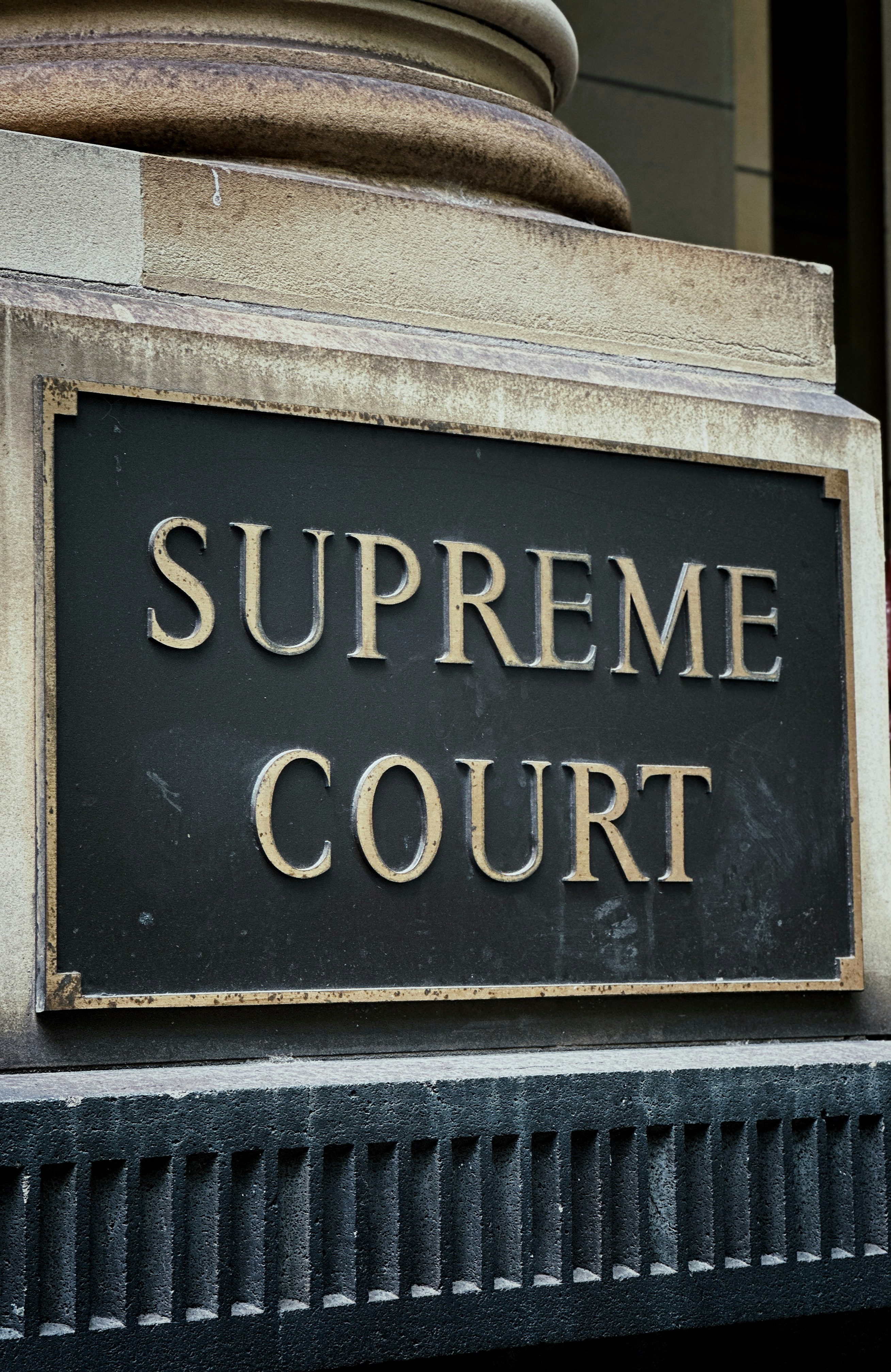
Overview of the Supreme Court and Its Role
The U.S. Supreme Court stands at the pinnacle of the judicial branch of the American government, wielding significant authority over the interpretation of laws and the Constitution. Established in 1789, the Court is tasked with the fundamental responsibility of ensuring the rule of law and justice for all citizens. As the highest court in the United States, its decisions set precedents that profoundly influence the legal landscape and societal norms.
One of the primary functions of the Supreme Court is to interpret the Constitution, which is the cornerstone of the American legal system. Through its interpretation, the Court safeguards individual rights and maintains the balance of power among the various branches of government. This interpretive role is pivotal, as it allows the Court to adapt constitutional principles to contemporary circumstances and evolving societal values.
Furthermore, the Supreme Court has the authority to review decisions made by lower courts, specifically appellate courts. This judicial review process is imperative for maintaining consistency in the application of law across the nation. By hearing cases that often involve significant constitutional issues, the Court resolves conflicts that may arise between different jurisdictional rulings, ensuring a unified legal framework.
The significance of Supreme Court rulings extends beyond legal circles; these decisions can have lasting impacts on American society as a whole. Landmark cases such as Brown v. Board of Education, Roe v. Wade, and Obergefell v. Hodges illustrate the Court’s role in advancing civil rights and liberties, often reflecting the shifting tides of public opinion and moral standards. In essence, the Supreme Court is not merely a judicial entity but a vital force in shaping the moral and ethical foundations of the nation.
The Journey of a Case to the Supreme Court
The pathway for a case to reach the U.S. Supreme Court is both complex and methodical, involving numerous stages prior to its review. Initially, a party seeking to challenge a lower court’s decision may file a petition for a writ of certiorari. This legal document requests the Supreme Court to examine the lower court’s ruling, and it is central to the selection process of cases. Notably, the Supreme Court receives thousands of these petitions each term, but only a small fraction is granted a hearing.
Several factors play a crucial role in determining which cases are selected for review. Primarily, the Court looks for cases that present substantial federal or constitutional questions; issues that have resulted in conflicting decisions among lower courts, or cases that hold significant public interest. The Supreme Court aims to resolve legal ambiguities and maintain consistency across its jurisprudence. Furthermore, decisions regarding the dismissal or acceptance of a case can also hinge upon the potential impact of the case’s ruling on the law and society.
The lower courts significantly contribute to this process as well. An overwhelming majority of cases come to the Supreme Court on appeal from the federal circuit courts or state supreme courts. Consequently, their rulings often set the stage for Supreme Court review. The implications of these lower court decisions, and their interpretations of law, are pivotal in shaping the issues presented for the Supreme Court’s consideration.
An essential aspect that facilitates the hearing of a case in the Supreme Court is the ‘rule of four.’ This unwritten rule allows a case to be heard if four justices agree to grant certiorari, thereby ensuring that even minority views within the Court can lead to consideration of significant legal questions.
The Supreme Court’s Decision-Making Process
The decision-making process of the U.S. Supreme Court is a complex and methodical endeavor that significantly influences American law. Upon receiving a case, the justices engage in thorough discussions during closed conferences. Each justice contributes their insights, perspectives, and legal reasoning regarding the case at hand. This dialogue aids in identifying the key issues and shaping the direction of subsequent deliberations.
Oral arguments serve as a crucial component of this process. During oral arguments, attorneys for both sides present their cases, responding to questions posed by the justices. This exchange provides the justices with a clearer understanding of the legal arguments and nuances involved. The dynamic nature of oral arguments allows the justices to examine the strengths and weaknesses of each side’s position, ultimately informing their deliberations.
Additionally, amicus curiae briefs, filed by interested third parties, play a significant role in the court’s decision-making process. These briefs offer additional perspectives and legal arguments that might not be presented by the parties directly involved in the case. The insights provided by amici curiae can impact the justices’ viewpoints, as they enhance the scope of information considered during deliberation and help shape the court’s understanding of broader implications.
The writing of opinions is a fundamental aspect of the Supreme Court’s decision-making. Majority opinions articulate the court’s official stance and establish legal precedent, while concurring opinions allow justices to express agreement with the majority but offer different legal reasoning. Dissenting opinions, although not controlling, provide valuable insights into alternative interpretations of the law, often serving as the basis for future legal arguments and discussions. The influence of these opinions extends beyond individual cases, contributing to the evolving landscape of American jurisprudence.
The Impact of Supreme Court Decisions
The United States Supreme Court plays a pivotal role in shaping the nation’s legal landscape through its decisions, which often extend beyond the confines of the courtroom. The implications of landmark rulings can lead to significant societal changes that echo throughout different aspects of American life. For instance, rulings related to civil rights have historically prompted shifts in public and legislative attitudes, influencing comprehensive reforms in areas such as education, voting rights, and employment discrimination.
Supreme Court decisions frequently act as a catalyst for legislative action. When the Court strikes down laws or upholds certain constitutional interpretations, it not only resolves specific cases but also prompts lawmakers to reconsider and adjust existing laws. For example, the ruling in Obergefell v. Hodges (2015), which legalized same-sex marriage across the country, led to a re-evaluation of marriage laws and opened the door for further discussions surrounding LGBTQ+ rights. Such decisions illustrate how a single ruling can elevate a social issue into the national conversation, compelling Congress to address it through new legislation.
Moreover, Supreme Court decisions mirror and can shape public opinion. They resonate with societal values and attitudes, often reflecting the evolving standards of the time. When the Court decides on controversial issues, such as abortion rights or healthcare, the ensuing discussions not only capture media attention but also influence grassroots movements. Public response to these rulings can vary, sometimes leading to intensified advocacy efforts, protests, or calls for constitutional amendments. Therefore, the dialogue generated by Supreme Court decisions fosters an environment ripe for political and social engagement.
In conclusion, the impact of Supreme Court decisions extends far beyond judicial rulings, influencing both public discourse and legislative reforms.