
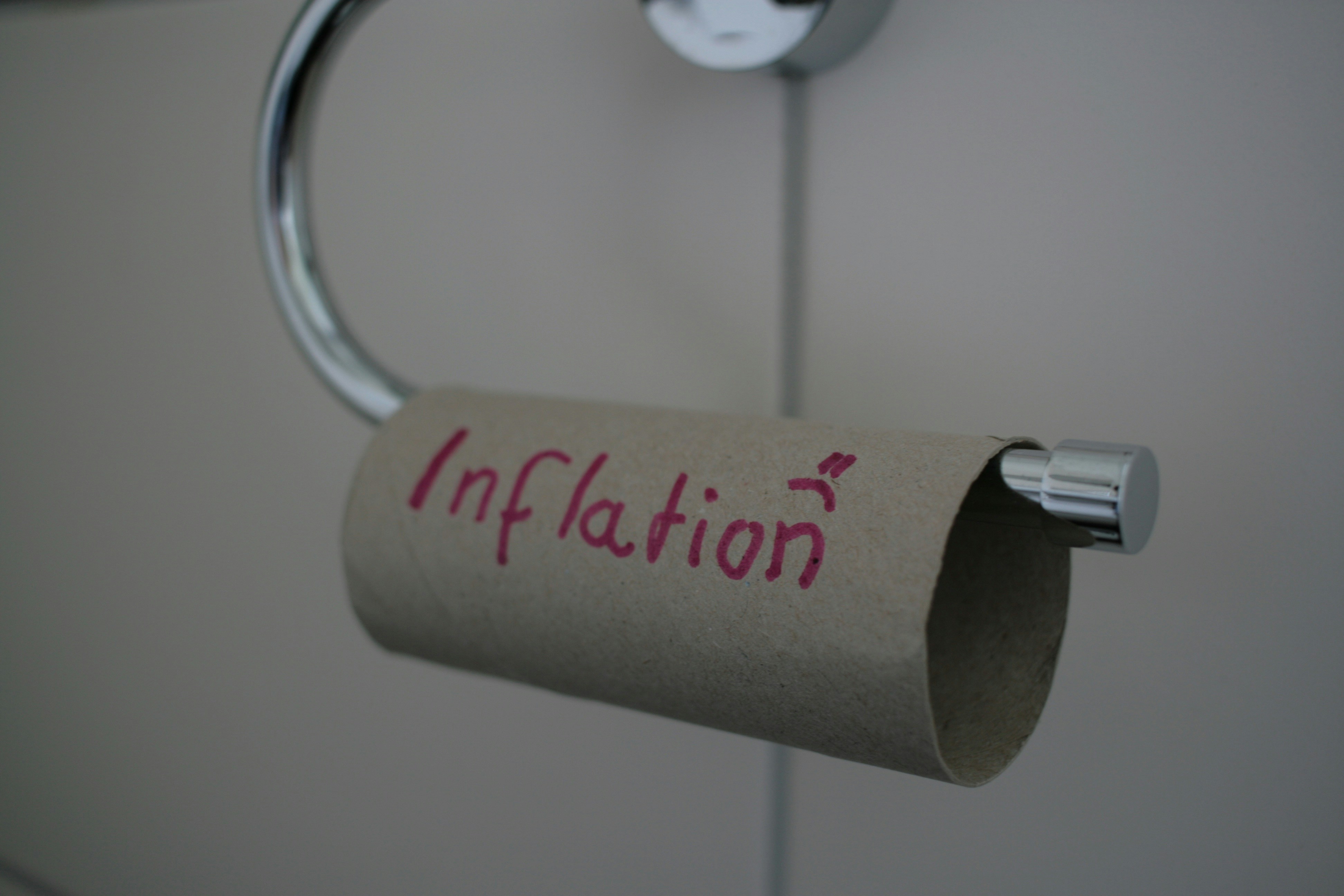
Understanding Inflation
Inflation refers to the rate at which the general level of prices for goods and services is rising, consequently eroding purchasing power. Essentially, when inflation occurs, each unit of currency buys fewer goods and services than it did in prior periods. Understanding inflation is crucial as it affects economic decisions made by consumers and businesses alike, influencing everything from investment strategies to cost of living adjustments.
Measuring inflation can be accomplished through various methods, with the most notable being the Consumer Price Index (CPI) and the Producer Price Index (PPI). The CPI measures the average change over time in the prices paid by consumers for a basket of goods and services. This index reflects the everyday expenses of households and is thus a critical indicator of living costs. On the other hand, the PPI measures the average change in selling prices received by domestic producers for their output. This index is essential for understanding how price changes at the wholesale level may translate to consumer prices in the future.
Several factors contribute to inflation, including demand-pull inflation, which occurs when demand outstrips supply, and cost-push inflation, which happens when production costs increase. Other dynamics, such as changes in money supply and fiscal policies, also play a significant role. By analyzing metrics like CPI and PPI, economists gain insights into prevailing inflation trends, equipping stakeholders with vital information for making informed financial decisions. As we look ahead to the inflation rates anticipated for 2026, it becomes increasingly critical to consider these factors and methodologies to better understand economic expectations.
Current Inflation Rate in the United States (2026)
As of 2026, the inflation rate in the United States has reached a significant milestone, remaining a focal point of economic discussions among policymakers and citizens alike. According to the latest data released by the Bureau of Labor Statistics, the year-on-year inflation rate stands at approximately 4.2%. This figure reflects a notable increase from the previous year, where the inflation rate was recorded at 3.5%. Such changes warrant a thorough examination to understand broader economic trends.
To further illustrate the state of inflation, various sectors have experienced differing levels of price increases. For instance, the housing market has seen a marked rise in rental prices, contributing to the overall inflation rate. The cost of housing has surged by about 6.5%, compared to a 4.8% increase in 2025. Additionally, the food sector has witnessed inflationary pressures, particularly in essential items, with a year-on-year increase of approximately 5.6%. Energy prices have also played a significant role due to fluctuating oil market trends, leading to a rise of 7.2% in energy costs.
Healthcare costs remain a critical area affected by inflation, as prices in this sector have escalated by around 4.9%. These increases can largely be attributed to heightened demand and ongoing supply chain disruptions that have persisted since the pandemic. Overall, the cumulative effects across these sectors illustrate a complex inflationary landscape that reflects underlying economic challenges.
Graphical representations of these trends display how inflation rates have fluctuated over recent years, emphasizing the significance of these changes in economic policy considerations. The analysis of inflation in 2026 underscores the necessity for consumers to adapt their financial planning in response to ongoing inflation trends, which are likely to shape future economic contexts.
The Causes of Inflation in 2026
Understanding the causes of inflation is essential to grasp the current economic climate of the United States in 2026. Various factors are contributing to the increased inflation rate, each playing a significant role in the broader economic landscape. One of the primary drivers is the monetary policy enacted by the Federal Reserve. Maintaining a low interest rate environment for an extended period, aimed at stimulating economic growth, has inadvertently contributed to inflationary pressures. Excessive money supply, coupled with low borrowing costs, has fueled consumer spending, which in turn has added to demand-pull inflation.
Additionally, supply chain disruptions have proven to be an enduring challenge, particularly as the world continues to recover from the effects of the COVID-19 pandemic. These disruptions have led to increased shipping costs and delays, limiting the supply of goods, ultimately creating a gap between supply and demand in the market. Reports from industry experts suggest that this gap, compounded by heightened consumer demand, particularly in sectors like technology and home goods, continues to exert upward pressure on prices.
Furthermore, geopolitical tensions have also contributed to the inflation narrative in 2026. Events, such as trade disputes and warfare, have led to fluctuations in oil prices and other critical resources, affecting overall production costs across multiple industries. As companies grapple with these external factors, they may pass on their increased operational costs to consumers, further contributing to inflation.
Economic models suggest that while some of these factors may subside, such as supply chain issues, others may indicate long-term shifts in consumer behavior and production methodologies. As such, the inflationary trends witnessed in 2026 are nuanced and complex, warranting close examination to understand their potential implications for the economy moving forward.
Impact of Inflation on Consumers and the Economy
Inflation, the rate at which the general level of prices for goods and services rises, has significant implications for consumers and the economy at large. As inflation escalates, purchasing power diminishes; consumers find their income unable to afford the same quantity of goods and services they previously obtained. This erosion of purchasing power can prompt adjustments in consumer behavior, such as opting for less expensive alternatives or foregoing certain expenditures altogether.
The cost of living adjustments become paramount during periods of rising prices. For instance, when inflation outpaces wage growth, employees may experience a decline in real income, necessitating demands for higher wages that can further perpetuate inflationary cycles. Households often struggle to maintain their usual standard of living amid fluctuating costs, significantly impacting discretionary spending habits.
From an investment perspective, inflation can erode the value of savings and fixed income assets, leading investors to seek avenues that can potentially outpace inflation rates. This mindset can shift attention toward equities and real estate, where returns might better align with rising price levels. However, such transitions carry inherent risks, potentially destabilizing investment markets if widespread.
Additionally, inflation can affect employment rates as businesses adjust to increased operational costs. Higher wages or increased production costs may lead some companies to limit hiring or even downsize. Moreover, policymakers often respond to inflation through monetary policy adjustments, such as raising interest rates, which can have ripple effects throughout the economy by influencing borrowing and spending trends.
As inflation continues to shape economic behavior, monitoring its implications becomes essential for both consumers and policymakers. The trajectory of inflation will remain a critical factor in understanding economic health and forecasting future developments.