
Overview of the Federal Reserve’s 2026 Meeting
The Federal Reserve’s meeting in 2026 was a significant event in the context of monetary policy, drawing considerable attention from financial analysts, economists, and market participants. This meeting, which took place in early November, marked a pivotal moment as the Federal Open Market Committee (FOMC) convened to evaluate the economic landscape and adjust interest rate policies accordingly.
During the deliberations, the committee members engaged in detailed discussions regarding inflation trends, unemployment rates, and overall economic growth. The Fed’s assessment acknowledged that while inflation had moderated somewhat from its previous highs, it remained above the targeted 2% level, reflecting persistent supply chain issues and elevated consumer demand. Committee members expressed concern regarding potential inflationary pressures that could arise from ongoing fiscal spending and international trade dynamics.
Moreover, the employment situation was closely analyzed, with the FOMC noting that labor markets had shown resilience, though challenges remained, particularly in certain sectors affected by technological changes and global shifts. The consensus among the committee was that maintaining a cautious approach to interest rate adjustments was warranted, ensuring stability in the financial markets while supporting sustainable economic growth.
As a result of these discussions, the Fed announced a decision to maintain interest rates at their current level, signaling a commitment to fostering economic expansion without undermining inflation control efforts. The meeting concluded with a commitment to continue monitoring economic indicators closely, with an emphasis on flexibility in adapting monetary policy as conditions evolve.
This overview of the 2026 meeting contextualizes the Fed’s current interest rate policy, providing insights that are crucial for understanding future implications for both consumers and investors alike.
Current Economic Indicators Influencing Interest Rates
The Federal Reserve’s decisions on interest rates are significantly influenced by a variety of economic indicators. Understanding these metrics is essential for grasping the Fed’s monetary policy decisions and their implications for the economy. Key indicators include inflation rates, unemployment figures, and GDP growth, among others.
Inflation, particularly the Core Consumer Price Index (CPI), is perhaps the most scrutinized indicator by the Fed. With a target inflation rate of around 2%, the Fed aims to maintain price stability while promoting maximum sustainable employment. When inflation rates exceed this target, the Fed may choose to increase interest rates to help curb spending and cool down the economy. Conversely, low inflation may lead to a reduction in interest rates to stimulate economic activity.
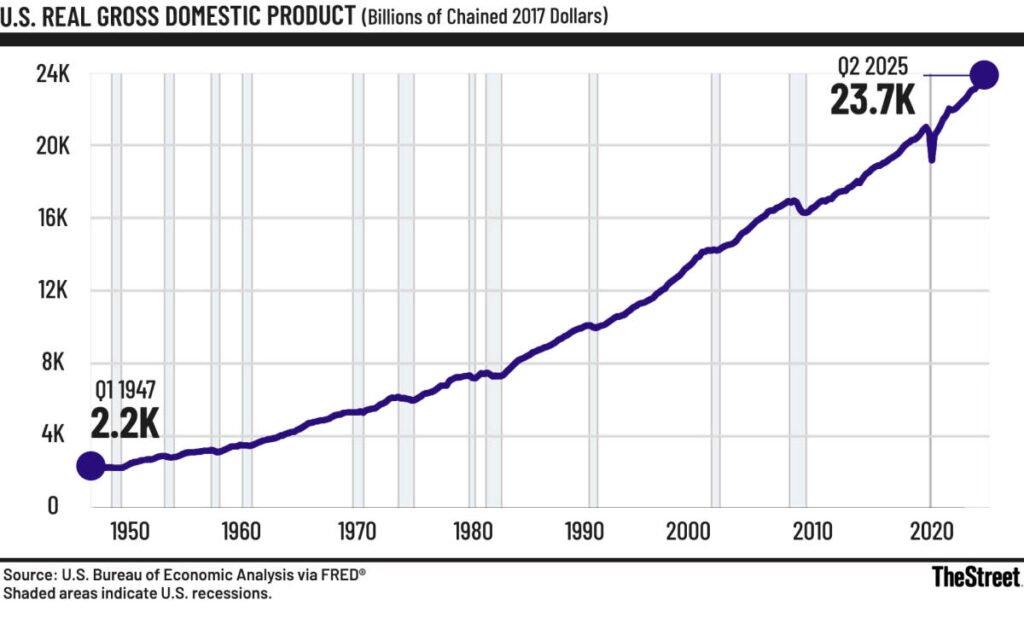
Unemployment figures also play a crucial role in shaping interest rate policies. A low unemployment rate typically signals a healthy economy, but if it falls below a certain level, it can lead to wage inflation. The Fed monitors these unemployment metrics closely, as significant fluctuations can prompt adjustments in interest rates to bolster job growth or balance inflationary pressures. Additionally, Gross Domestic Product (GDP) growth is another critical factor. A robust GDP growth indicates a flourishing economy, which may necessitate an increase in interest rates. On the other hand, sluggish growth can lead to lower interest rates as the Fed seeks to encourage more investment and consumer spending.
In addition to these primary indicators, the Fed also considers other relevant metrics such as consumer confidence, housing market data, and global economic trends. These factors contribute to the Fed’s broader economic outlook and influence its interest rate forecasts. By analyzing these indicators, observers can gain insight into the rationale behind the Fed’s decisions and the potential future landscape of interest rates.
Market Reactions and Predictions Following the Meeting
The aftermath of the Federal Reserve’s 2026 meeting has been characterized by significant fluctuations across various financial markets. Following the announcements regarding interest rate forecasts, the stock market experienced notable volatility. Initial reactions showcased an uptick in major indices, as investors interpreted the Fed’s decisions as conducive to economic growth. However, as further analyses unfolded, fears of inflationary pressures arising from prolonged low rates began to temper the initial optimism, leading to a mixed performance in the equity markets.
In the bond market, yields reacted swiftly to the Fed’s indications about future interest rate hikes. There was a marked increase in yields on 10-year Treasury notes, as investors recalibrated their expectations for monetary policy in light of the communicated intentions of the Federal Reserve. This upward movement signaled a shift in market sentiment, reflecting a growing anticipation of tightening monetary conditions. The bond market, typically sensitive to interest rate projections, displayed pronounced reactions, thereby affecting borrowing costs for both consumers and businesses.
Currency exchanges also experienced currency volatility following the meeting, particularly for the U.S. dollar. The dollar strengthened against major currencies as higher anticipated interest rates made U.S. assets more attractive. Forex markets are closely observing these developments, with traders adjusting their positions based on perceived adjustments in monetary policy. Expert analysts project that, while immediate fluctuations are expected, the long-term fate of currency stabilization will hinge on the Fed’s subsequent moves and their commitment to managing inflation effectively.
Overall, market participants remain vigilant and connected to the ongoing discourse surrounding interest rate forecasts, as these projections ripple across sectors, influencing investment decisions and economic outlooks for the upcoming periods.
Implications for Consumers and Businesses
The Federal Reserve’s interest rate forecast plays a pivotal role in shaping the economic landscape, impacting both consumers and businesses significantly. With potential changes to interest rates in the post-2026 period, it is essential for stakeholders to understand the wider implications of these forecasts. As interest rates rise, consumers can expect an increase in mortgage rates which may affect housing affordability. Homebuyers looking to secure favorable mortgage terms in the near future might consider acting sooner rather than later to avoid higher costs associated with increased rates.
In addition to the effects on mortgages, the availability of credit is another critical consideration for consumers. Higher interest rates generally lead to tighter lending standards as financial institutions adjust their risk assessments. This situation may make personal loans and credit cards less accessible for some individuals, impacting consumer spending habits. It is advisable for consumers to evaluate their current financial situation proactively and consider consolidating debts or improving credit scores to enhance their access to credit in a potentially stiffer market.
For businesses, the Fed’s interest rate forecast can influence investment strategies significantly. A rise in interest rates could lead to higher borrowing costs for companies looking to fund expansion initiatives or operational enhancements. Businesses may need to reassess their capital expenditure plans, potentially prioritizing projects with quicker returns on investment. Furthermore, companies should consider locking in lower loan rates now, if feasible, to mitigate future rate increases and manage financial forecasting more effectively.
As the economic landscape gradually evolves, consumers and businesses alike must remain vigilant and adaptable to the anticipated fluctuations in interest rates. Engaging in informed financial planning will facilitate better preparedness for forthcoming challenges and opportunities produced by the Fed’s monetary policy. Careful consideration of these factors now can help smooth the transition into whatever economic conditions may lie ahead.