
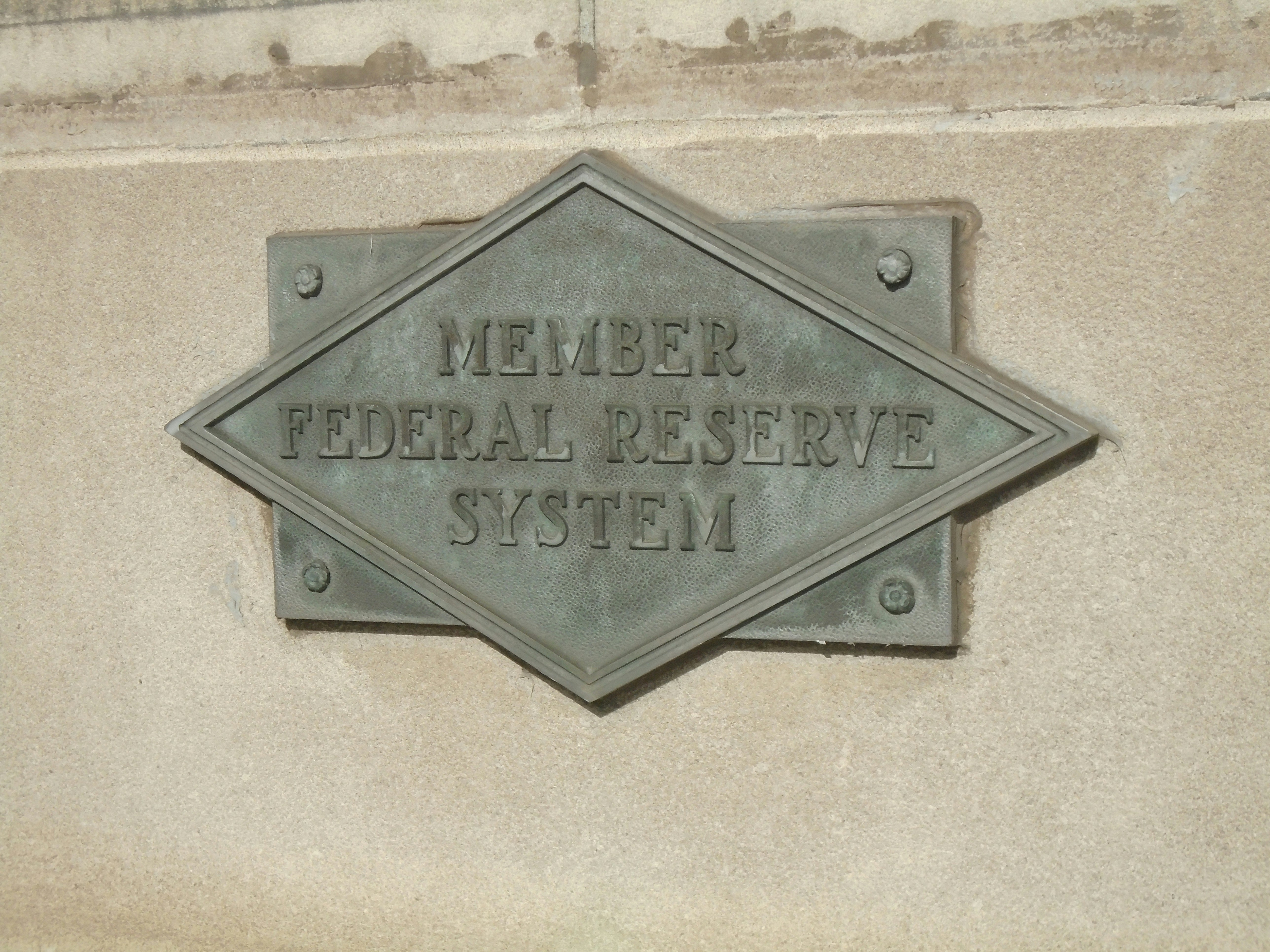
Overview of the Federal Reserve’s Role and Structure
The Federal Reserve System, often referred to as the Fed, is the central banking system of the United States. Established in 1913, it was created in response to a series of financial panics to provide the country with a safer and more flexible monetary and financial system. The Federal Reserve consists of twelve regional Reserve Banks, governed by a Board of Governors located in Washington, D.C. This decentralized structure allows for a balance between national and regional economic considerations, ensuring that diverse economic perspectives are incorporated into decision-making processes.
At the heart of the Federal Reserve’s responsibilities lies its dual mandate: to promote maximum employment and to maintain stable prices. The Federal Reserve aims to foster an environment conducive to job creation while keeping inflation in check, thereby supporting sustainable economic growth. Achieving these objectives often requires the manipulation of monetary policy tools, including the adjustment of interest rates and open market operations, to influence the money supply and credit available in the economy.
Integral to the functioning of the Federal Reserve is the Federal Open Market Committee (FOMC), which plays a pivotal role in guiding U.S. monetary policy. The FOMC meets regularly to discuss economic conditions and determine the appropriate course of action concerning interest rates and other monetary policy measures. Its decisions are closely monitored by market participants and can have far-reaching impacts on economic activity, consumer behavior, and financial markets. The FOMC’s deliberations are based on comprehensive analyses of economic data and forecasts, allowing for informed and strategic decision-making to achieve the Fed’s overarching economic goals.
Key Dates and Insights: 2026 Federal Reserve Meeting Schedule
The Federal Reserve is set to conduct a series of meetings throughout 2026, each pivotal for shaping monetary policy and influencing economic conditions. The scheduled meetings will occur on the following dates: January 27, March 16, May 3, June 14, July 26, September 20, November 1, and December 13. These meetings will be held at the Federal Reserve Board Building in Washington, D.C., which has been a traditional venue for such critical discussions.
During these meetings, the Federal Open Market Committee (FOMC) will evaluate current economic conditions and may make decisions regarding interest rates. The agendas are expected to cover various topics, including inflation rates, employment data, and overall economic growth. Economic indicators have shown fluctuations, prompting analysts to predict that the discussions will lean towards adjusting interest rates to stabilize the economy, particularly if inflation rates continue to rise or fall unexpectedly.
Market expectations for rate adjustments will likely influence discussions in meetings scheduled for March 16 and July 26, as they are strategically positioned to assess the impact of fiscal policies enacted earlier in the year. These dates are crucial, as the FOMC may use them to modify the federal funds rate in response to emerging economic trends.
Furthermore, analysts anticipate heightened focus on global economic conditions, especially during the September 20 meeting, where international trade dynamics and external economic pressures could significantly influence the Committee’s monetary policy stance. Each meeting is integral to ensuring that the Federal Reserve can manage the economy effectively while keeping inflation in check and fostering maximum employment.
In conclusion, the 2026 Federal Reserve meeting schedule highlights critical junctures for monetary policy decision-making, with each meeting potentially shaping the economic landscape based on prevailing conditions and forecasts.
Expected Rate Decisions and Economic Indicators in 2026
As we look ahead to the Federal Reserve’s rate decisions in 2026, several key economic indicators are likely to play a crucial role in shaping monetary policy. Among these, inflation rates, employment figures, and GDP growth will take center stage as they provide insight into the overall economic health and stability.
Inflation is a primary concern for policymakers, as sustained high inflation can erode purchasing power and impact consumer sentiment. A significant factor in the Fed’s decision-making process is the core inflation rate, which excludes volatile food and energy prices. If inflation remains above the Fed’s target of 2%, we can expect them to consider increasing interest rates to cool down the economy. Conversely, if inflation rates normalize, rate hikes may be paused or even reversed.
Employment figures will also influence the Federal Reserve’s actions. The unemployment rate is a critical measure of economic health; a strong labor market typically leads to increased consumer spending and support for rate hikes. However, analysts anticipate that the job market may show signs of stabilization, with a slower growth rate in new job creation. This potential slowing could lead to more cautious rate decisions by the Fed, particularly if it aligns with weak inflation changes.
Gross Domestic Product (GDP) growth is another vital indicator. Economists forecast varying rates of GDP growth for 2026, influenced by factors such as global economic conditions, fiscal policy, and trade relations. A strong GDP growth rate would generally support higher interest rates, while sluggish growth could lead to sustained lower rates. Market analysts expect that external economic factors, including geopolitical tensions and shifts in international trade, will also play a role in shaping these forecasts.
In conclusion, the Federal Reserve’s rate decisions in 2026 will heavily depend on a myriad of economic indicators, including inflation, employment, and GDP growth. Analysts and economists will be closely monitoring these indicators to predict the potential direction of interest rates, as they reflect the broader economic landscape and public sentiment.
Implications of Rate Decisions on the Economy and Market
The rate decisions made by the Federal Reserve hold significant weight in shaping the overall economic landscape. When the Federal Reserve adjusts interest rates, it sends ripples through various sectors, influencing borrowing costs, consumer spending, and ultimately, economic growth. For instance, a decrease in rates typically lowers borrowing expenses, encouraging consumers to finance bigger purchases such as homes and cars. Lower rates can stimulate economic activity by increasing disposable income and empowering consumer confidence.
Conversely, if the Federal Reserve decides to raise rates, the cost of borrowing climbs. Consequently, consumers may limit their expenditures and opt to save more instead, leading to decreased demand in the market. Real estate often feels the direct impacts of these decisions; higher rates can lead to reduced housing affordability and a slowdown in the housing market. This, in turn, affects construction, home improvement industries, and related services.
The effects on investments are also notable. In an environment of rising interest rates, investors may shift their portfolios toward fixed-income securities, such as bonds, which may offer more attractive yields relative to stocks. This behavioral shift can provoke volatility in equity markets, as seen in past occurrences, where interest rate hikes lead to market corrections.
Moreover, rate changes can trigger significant psychological effects, influencing consumer and investor sentiment. Anticipation of rate hikes may cause uncertainty, leading to cautious behavior among both consumers and businesses. This uncertainty is often reflected in stock prices and market valuations. Ultimately, understanding the implications of Federal Reserve rate decisions becomes critical for navigating the complexities of the economy and financial markets.