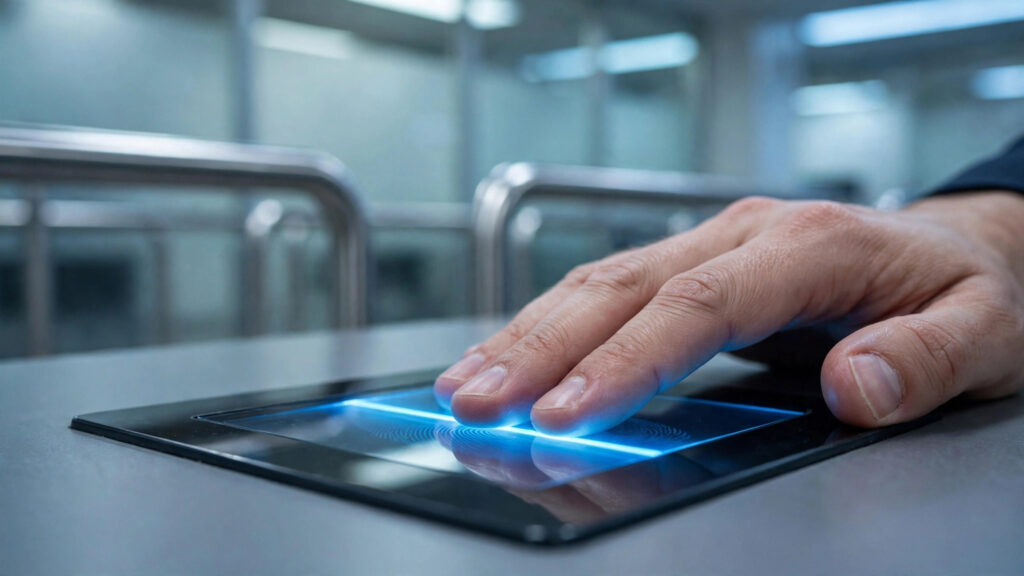
After you file most immigration applications with USCIS — a green card, naturalization, work permit, or asylum case — one of the first milestones is the biometrics appointment. Officially called an Application Support Center (ASC) appointment, this visit is where USCIS collects your fingerprints, photograph, and signature to run background and security checks. It is routine, quick, and nothing to fear, but showing up unprepared can cause delays. Here is exactly what to expect.
Table of Contents
- What Biometrics USCIS Collects
- The Appointment Notice
- What to Bring
- What Happens at the ASC
- What Happens After Your Appointment
- Problems and Rescheduling
- Key Takeaways
What Biometrics USCIS Collects
At the appointment, USCIS captures three things: your fingerprints (all ten fingers, digitally scanned), a digital photograph, and an electronic signature. This biometric data is checked against FBI and Department of Homeland Security databases to verify your identity and screen for criminal history, immigration violations, or security concerns. The checks are a standard part of nearly every benefit application.
Biometrics are generally valid for 15 months for most application types. If your case takes longer than that to adjudicate — which happens with backlogged categories — USCIS may schedule you for a second biometrics appointment to refresh the background checks. A second notice is normal and not a sign of trouble.
The requirement applies broadly: family and employment green card applicants, naturalization applicants, DACA requestors, asylum seekers, and many others all attend biometrics appointments. Fee waivers or exemptions from the biometrics fee do not exempt you from the appointment itself. For background on how these checks fit into the larger system, see our coverage of immigration policy.
The Appointment Notice
USCIS mails Form I-797C, Notice of Action, scheduling your biometrics appointment at a specific Application Support Center, date, and time — typically a few weeks after you file. The notice includes your receipt number, the ASC address, and instructions. Read it carefully: it tells you exactly which documents to bring and warns against arriving excessively early.
Appointment times are assigned, not chosen. If the date conflicts with something immovable, you can request a reschedule, but USCIS discourages it and repeated rescheduling can delay your case. Treat the assigned date as firm unless you have a genuine conflict such as a medical emergency, military deployment, or pre-paid travel.
If you move after filing, update your address with USCIS promptly — first through your online account and, where required, on Form AR-11. Applicants who miss a mailed notice because they moved are among the most common no-shows, and a missed appointment without rescheduling can lead to denial. Address-change guidance is published at uscis.gov.
What to Bring
Bring three things: the biometrics appointment notice itself, a valid photo ID, and nothing else of consequence. Acceptable ID includes a passport, driver’s license, state ID, or green card. The ID should be unexpired; an expired passport can cause the ASC to turn you away. For children, a birth certificate or passport works.
Do not bring weapons, and leave large bags at home — ASCs have security screening similar to a courthouse. You may bring a phone, but photography inside the facility is prohibited. If you need an interpreter, USCIS provides language assistance; the notice explains how to request it.
One practical tip: avoid heavy hand lotion on appointment day. Moisturizers and oils can interfere with digital fingerprint capture, forcing retakes. Clean, dry hands scan fastest. If you have cuts, bandages, or skin conditions on your fingertips, mention it to the technician — they have procedures for difficult prints, and genuinely unscannable prints are documented rather than punished.
What Happens at the ASC
The visit follows a predictable sequence. After security screening, you check in at the reception window, present your notice and ID, and receive a ticket or number. When called, a technician verifies your identity, then guides you through fingerprinting: each finger is rolled or pressed on a digital scanner, with the screen showing whether each capture succeeded. Retakes of individual fingers are common and normal.
Next comes the digital photograph — a straightforward headshot against a plain background — and the electronic signature captured on a pad. The technician then reviews the data package for completeness. The entire process typically takes 15 to 30 minutes once you are called, though waiting-room time varies by location and how busy the ASC is. Arriving at your scheduled time, not an hour early, keeps the flow smooth.
There is no interview and no adjudication at the ASC. Technicians do not ask about your case, do not make decisions, and cannot tell you when your application will be approved. If you have case questions, they belong to USCIS customer service or your attorney — the ASC staff will politely decline to answer them. Applicants preparing for later stages, like the naturalization interview, can find guidance in our civics and citizenship resources.
What Happens After Your Appointment
After biometrics, your case returns to the adjudication queue. USCIS runs the background checks and continues processing — which may mean an interview notice, a request for evidence, or, for some case types, a direct decision. You can track progress with your receipt number through your USCIS online account or the case status tool.
For naturalization applicants, biometrics is followed by the citizenship interview and test. For adjustment of status applicants, it precedes the green card interview (where interviews are required). For work permit renewals, biometrics may be the only in-person step before the card is produced. Each benefit has its own pipeline, but biometrics is the shared gateway.
Processing times after biometrics vary enormously by form type and service center — from weeks for some work permits to many months for backlogged green card categories. The background check itself is rarely the bottleneck; adjudication capacity is. Patience, plus periodic case-status checks, is the realistic strategy.
Problems and Rescheduling
If you cannot attend, follow the rescheduling instructions on the notice — typically by calling the USCIS Contact Center or following directions printed on the I-797C. Reschedule before the appointment date, not after. USCIS may issue one rescheduled appointment; multiple missed appointments without good cause can lead to denial of the underlying application.
If your fingerprints are rejected as unclassifiable after multiple attempts, USCIS has alternative procedures, including name-based checks. This sometimes happens with elderly applicants or people whose fingerprints are worn from manual labor. It does not mean your case will be denied — it means the agency switches to a different verification method.
If you never received a notice but your receipt says biometrics are pending, do not simply walk into an ASC — most centers require the appointment notice for entry. Contact USCIS to have the notice reissued, and confirm your mailing address is current. Keeping your online account notifications enabled is the simplest way to catch scheduling updates early. For employment-based applicants, related timing issues are covered in our business immigration guides.