
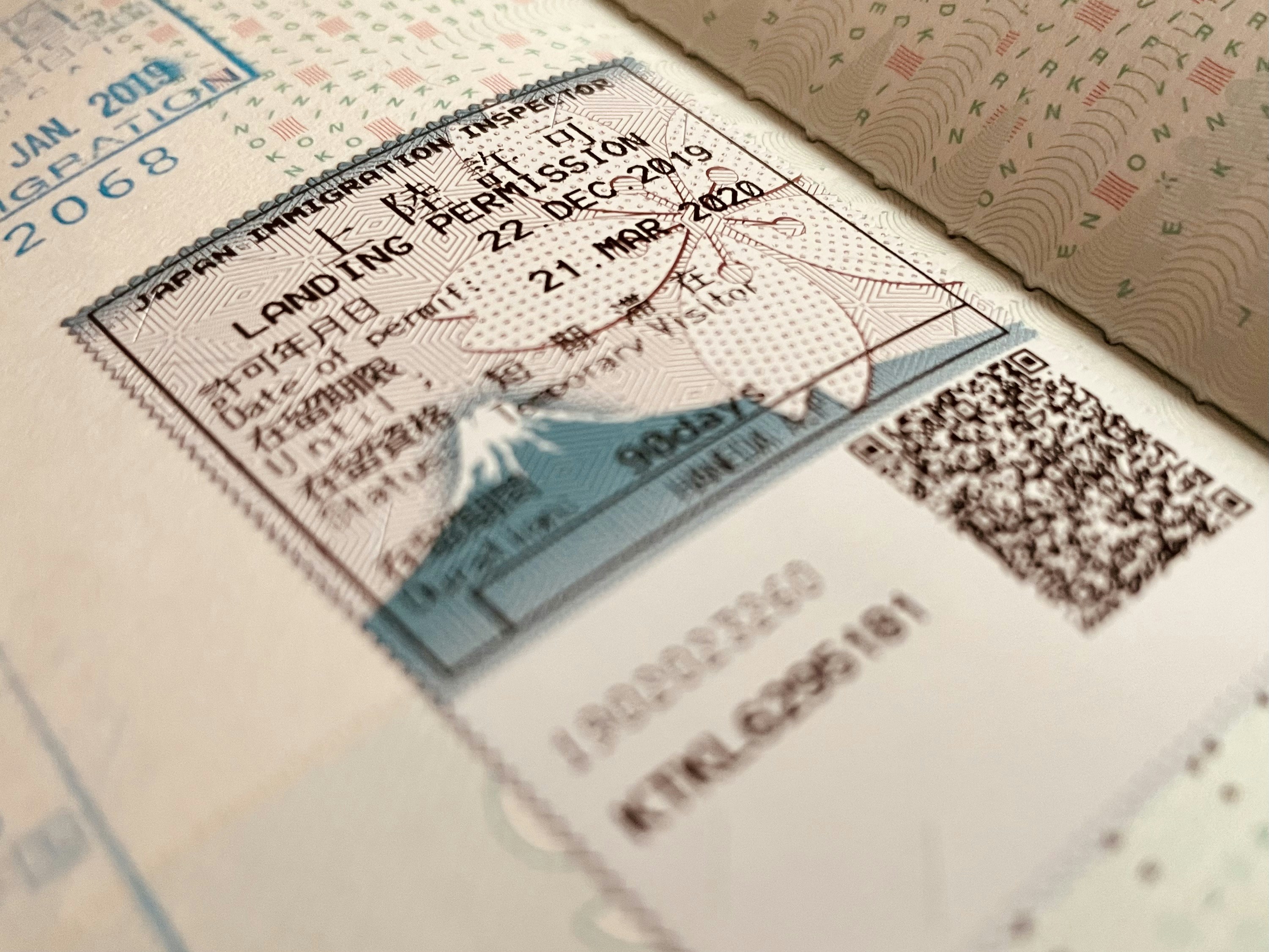
Introduction to Work Visa and Permanent Residency
The distinction between a work visa and permanent residency (often referred to as a green card) is crucial for foreign nationals seeking to live and work in the United States. A work visa is a temporary permit that allows individuals to engage in specific employment within the country, typically tied to a particular employer or a designated role. Various types of work visas exist, such as H-1B, L-1, and O-1, each catering to different professional needs and circumstances. The primary purpose of a work visa is to fulfill labor shortages in specific industries while ensuring adherence to U.S. immigration laws.
On the other hand, permanent residency provides non-citizens the legal right to reside indefinitely in the U.S. Those who obtain a green card are not restricted to a specific employer and can seek employment freely across various sectors. Permanent residency can result from family ties, employment sponsorship, refugee status, or through programs like the Diversity Visa Lottery. The main objective behind granting permanent residency is to allow individuals a stable and secure status, enabling them to contribute more significantly to American society and economy over the long term.
Both work visas and permanent residency confer distinct legal statuses upon foreign nationals, impacting their ability to live, work, and travel in the United States. While work visas are typically valid for a limited duration and subject to renewal, permanent residency offers a pathway to eventual U.S. citizenship for eligible individuals. Understanding these differences is pivotal for anyone considering employment or long-term living arrangements in the U.S., as they influence not only employment options but also legal rights and responsibilities within the country.
Types of Work Visas Available
Foreign nationals seeking employment in the United States must navigate through various categories of work visas, which can be broadly classified into non-immigrant and immigrant visas. Non-immigrant work visas are temporary and designated for specific employment purposes, while immigrant visas provide a pathway to permanent residency.
One of the most common non-immigrant work visas is the H-1B visa, which is intended for individuals in specialty occupations that typically require advanced degrees. This visa has a validity of three years, with the possibility of extension for up to six years in total. The application process involves employer sponsorship and the submission of a Labor Condition Application to the Department of Labor.
The L-1 visa, which is available for intra-company transferees, allows multinational companies to transfer employees from foreign offices to U.S. branches. It comes in two categories: L-1A for managers and executives, and L-1B for those with specialized knowledge. The initial validity can last up to three years, extendable to seven years under the L-1A and five years for the L-1B class.
Another significant non-immigrant category is the O-1 visa, designated for individuals with extraordinary ability in fields such as the arts, sciences, business, or athletics. This visa is particularly attractive for individuals who can demonstrate a history of sustained national or international acclaim. The O-1 visa is granted for the duration of the event or performance, with initial validity typically lasting for up to three years.
Understanding these various work visa types, along with their eligibility criteria and application processes, is vital for foreign nationals planning to work in the United States. Each visa category serves a unique purpose, catered to different professional needs and qualifications.
Permanent Residency: What You Need to Know
Permanent residency in the United States, commonly known as holding a Green Card, allows individuals to live and work indefinitely in the country. This status is a step above temporary work visas, providing the holder with more stability and benefits in comparison. There are various pathways through which one can obtain permanent residency, which can generally be categorized into three main types: family-sponsored, employment-based, and special provisions.
Family-sponsored immigration allows U.S. citizens and lawful permanent residents to petition for certain relatives to become permanent residents. This route is designed to maintain family unity and includes categories such as immediate relatives and preference relatives, each with specific eligibility criteria and waiting periods.
Employment-based Green Cards are available for foreign nationals who possess skills and qualifications that are needed in the U.S. labor market. This category encompasses several subcategories, including those for professionals, skilled workers, and investors. Each subcategory has its own set of requirements, and the application process can be lengthy and rigorous.
In addition to family and employment-based pathways, there are special provisions that cover unique scenarios such as asylum seekers, refugees, and individuals with extraordinary abilities. These pathways aim to accommodate various situations, ensuring a diverse range of individuals can also gain permanent residency.
The responsibilities of those who hold a Green Card include maintaining their residency status by adhering to U.S. laws, renewing their Green Card as required, and reporting any change of address to the authorities. The benefits, however, are substantial, as permanent residents enjoy the right to work in the U.S. without restrictions, access to in-state tuition rates, and eligibility for naturalization after meeting specific criteria.
Key Differences Between Work Visa and Permanent Residency
When considering immigration options in the United States, understanding the distinction between a work visa and permanent residency is crucial. A work visa is generally issued for a limited period and is tied to employment. It allows foreign nationals to live and work in the U.S. for a specific employer and typically has strict duration limits. For example, work visas such as H-1B are granted for three years with the possibility of extension, but they are not a pathway to citizenship or permanent status.
On the other hand, permanent residency, often referred to as a Green Card holder status, allows individuals to live and work in the U.S. indefinitely. This status confers a broader range of rights, including the ability to apply for U.S. citizenship after meeting specific criteria. Unlike work visas, permanent residency ensures that individuals are not bound to a single employer, which provides greater flexibility in employment opportunities.
Another essential aspect to consider is the renewal process. Work visas are subject to renewal and often depend on ongoing employment status with the sponsoring employer, whereas permanent residency, once obtained, does not require renewal, although it can be revoked under certain conditions such as criminal activity or abandonment of status.
Moreover, while work visas come with restrictions that prevent individuals from changing employers freely, permanent residents enjoy more freedoms in this regard. Permanent residency also provides access to various benefits, such as social security, health care, and in some cases, financial aid for education, which are not typically available to work visa holders. Individuals must evaluate their circumstances carefully when determining whether a work visa or permanent residency is the more suitable option for their long-term goals.