
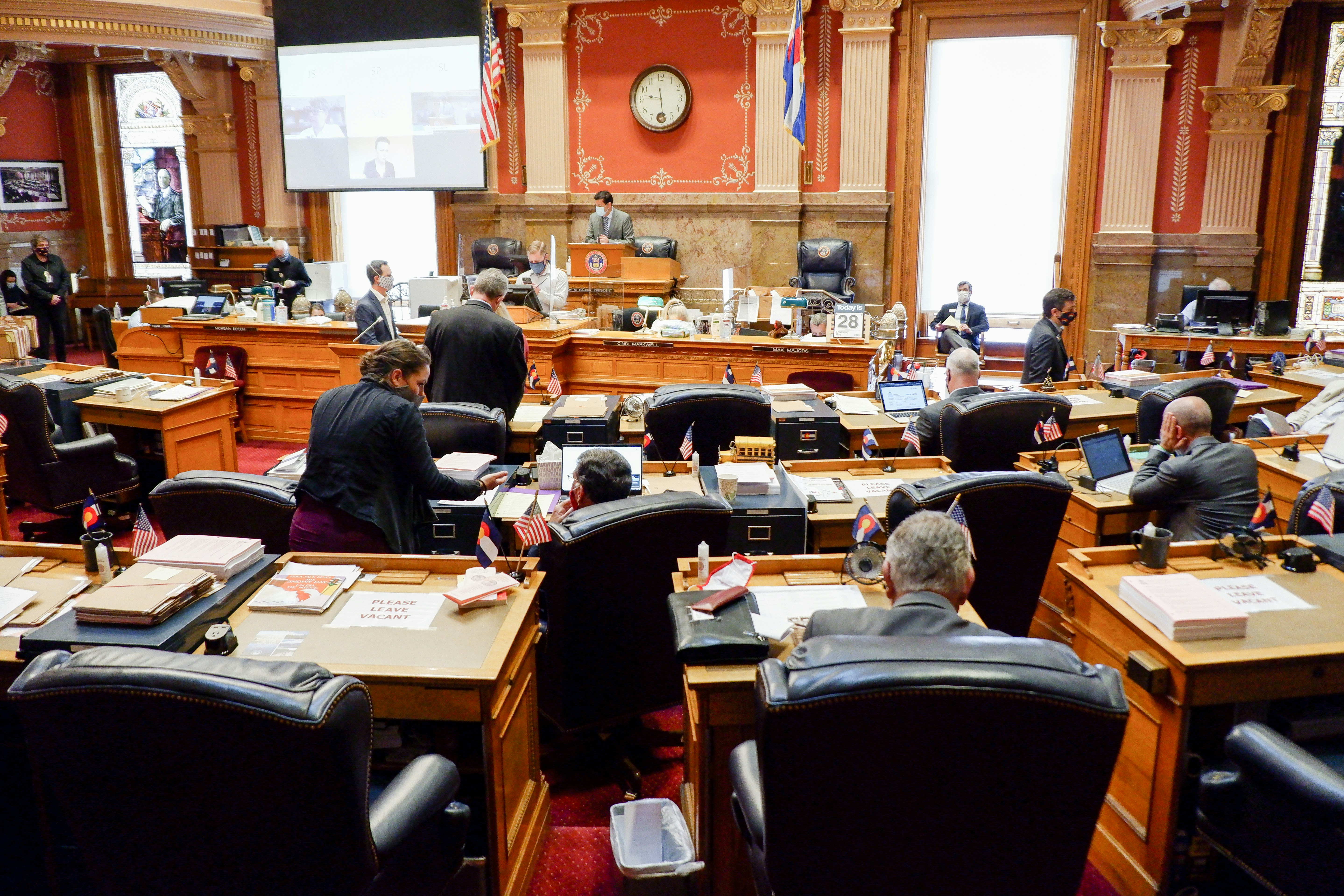
The Foundations of Congress: Structure and Purpose
The United States Congress is established as a bicameral legislature, composed of two distinct chambers: the Senate and the House of Representatives. This structure was shaped by both historical context and constitutional mandates, reflecting the framers’ intention to balance representation and governance. The origin of this bicameral system can be traced back to the Constitutional Convention of 1787 when delegates sought a solution to the competing demands of populous states and smaller states.
To address these varying interests, the framers crafted a compromise that created two houses, with the House of Representatives designed to reflect the population of each state, while the Senate ensures equal representation with two senators from each state, regardless of size. This dual structure allows for a comprehensive legislative process, where both populous states and less populated states have a voice in the federal decision-making process.
The essential purpose of Congress, as outlined in the Constitution, is to create laws that govern the nation. Each chamber within Congress has distinct roles and responsibilities that facilitate this process. The House of Representatives is charged with initiating revenue bills and has the sole power of impeachment, reflecting its accountability to local constituencies. Conversely, the Senate holds the responsibility for approving treaties and confirms presidential appointments, highlighting its role in providing stability and continuity in government. This differentiation is integral to the checks and balances system, which is foundational to the American legislative process.
As such, understanding the structure and purpose of Congress is crucial for grasping how legislation is developed, debated, and enacted. The framers of the Constitution, through their creation of a bicameral legislature, aimed to foster a representative democracy that could effectively respond to the needs of a diverse nation, showcasing the importance of both chambers in governance.
Membership and Representation: How Senators and Representatives are Chosen
The United States Congress is bicameral, consisting of two chambers: the Senate and the House of Representatives. Each of these bodies has distinct rules governing membership and representation. The Senate is composed of 100 senators, with each state contributing two senators regardless of its population. This structure ensures equal representation for every state, which is particularly significant for smaller states. Senators serve six-year terms, with approximately one-third of the chamber up for re-election every two years.
In contrast, the House of Representatives consists of 435 members, with the number of representatives from each state linked to its population. This composition reflects the principle of proportional representation, empowering larger states with more influence due to their larger populations. Representatives serve two-year terms, which necessitates frequent elections and often leads to a more responsive legislative body aligned with the immediate concerns of their constituents.
To qualify for the Senate, candidates must be at least 30 years old, have been a citizen of the United States for at least nine years, and be residents of the state they represent. Conversely, the qualifications for the House are less stringent: candidates must be at least 25 years old, a citizen for seven years, and also reside in the state they seek to represent. These qualifications not only reflect the different responsibilities vested in the two chambers but also influence the diversity and range of perspectives that each body brings to the legislative process.
Overall, the differences in membership and methods of election illustrate the varying approaches to representation in the American political system. Senators, representing state interests, tend to engage in longer-term policy discussions, while House members focus on immediate constituent needs. These distinctions play a vital role in shaping the legislative landscape of the United States.
Legislative Powers and Responsibilities: What Each Chamber Can Do
The United States Congress, comprised of the Senate and the House of Representatives, operates under a system of checks and balances that ensures an equitable distribution of powers. Each chamber is bestowed with specific legislative functions, as delineated in the Constitution, which have significant implications for the legislative process and overall governance.
The Senate, consisting of 100 members with two senators from each state, possesses distinct powers that complement its legislative duties. A critical function of the Senate is its authority to ratify treaties, which requires a two-thirds majority vote. This power underlines the Senate’s role in shaping foreign policy and managing international relations. Additionally, the Senate has the responsibility of confirming presidential appointments, including Cabinet members, Supreme Court justices, and other key officials. This confirmation power grants the Senate a considerable influence over the executive branch, ensuring that appointments are subject to scrutiny and approval.
In contrast, the House of Representatives, composed of 435 members allocated based on state populations, holds its own unique functions that are crucial to the legislative dynamics. Notably, the House has the exclusive authority to initiate revenue bills, a power reflecting its accountability to the electorate regarding taxation and public spending. This provision underscores the House’s role as a voice for the people, aligning financial decisions with the interests of constituents. Furthermore, the House has the power to impeach federal officials, a significant check on the executive and judicial branches that illustrates its responsibility in upholding governmental integrity.
These delineated powers not only facilitate the legislative process but also serve as a reminder of the distinct roles that the Senate and the House play in the governance of the nation. Understanding these responsibilities is critical for comprehending how laws are enacted and how each chamber influences the state of affairs within the government.
The Interaction Between the Senate and House: Collaboration and Conflict
The relationship between the Senate and the House of Representatives is a complex interplay of collaboration and conflict, shaped by each chamber’s distinct roles, structures, and powers. Both bodies are integral to the legislative process in the United States, and their interaction is vital for the formulation and passage of legislation. The bicameral system ensures that diverse perspectives contribute to lawmaking, leading to a more thorough examination of proposed bills.
Collaboration often occurs through negotiation and compromise, as legislation must be approved by both chambers before becoming law. This process entails extensive deliberation, where members from both the Senate and the House present their viewpoints and negotiate the terms of proposed bills. Committees play a crucial role in this phase, as they examine legislation in detail and work towards reconciling differences between the two bodies. Compromises are essential, especially on contentious issues where partisan divisions may exist, allowing for a functioning government that can address the diverse needs and interests of the American populace.
However, conflict is an inherent part of the interaction between the two chambers. Differences in their structures contribute to this dynamic; for instance, the Senate, with its longer terms and smaller membership, can afford lengthy debate and deliberation, promoting a more contemplative approach. In contrast, the House, characterized by its larger size and shorter terms, often emphasizes efficiency and urgency, leading to faster legislative action. Such disparities can spark tension, particularly when urgent issues require simultaneous consideration and differing priorities emerge. Nevertheless, these conflicts also instigate productive discourse and can lead to more robust legislation, as varying viewpoints and interests are acknowledged and addressed.
Ultimately, the bicameral nature of Congress functions as a safeguard against hasty decision-making, ensuring that multiple viewpoints are considered, leading to comprehensive debate and legislation that reflects a broader spectrum of American society. This intricate balance of collaboration and conflict is essential for the effective governance of the nation.