
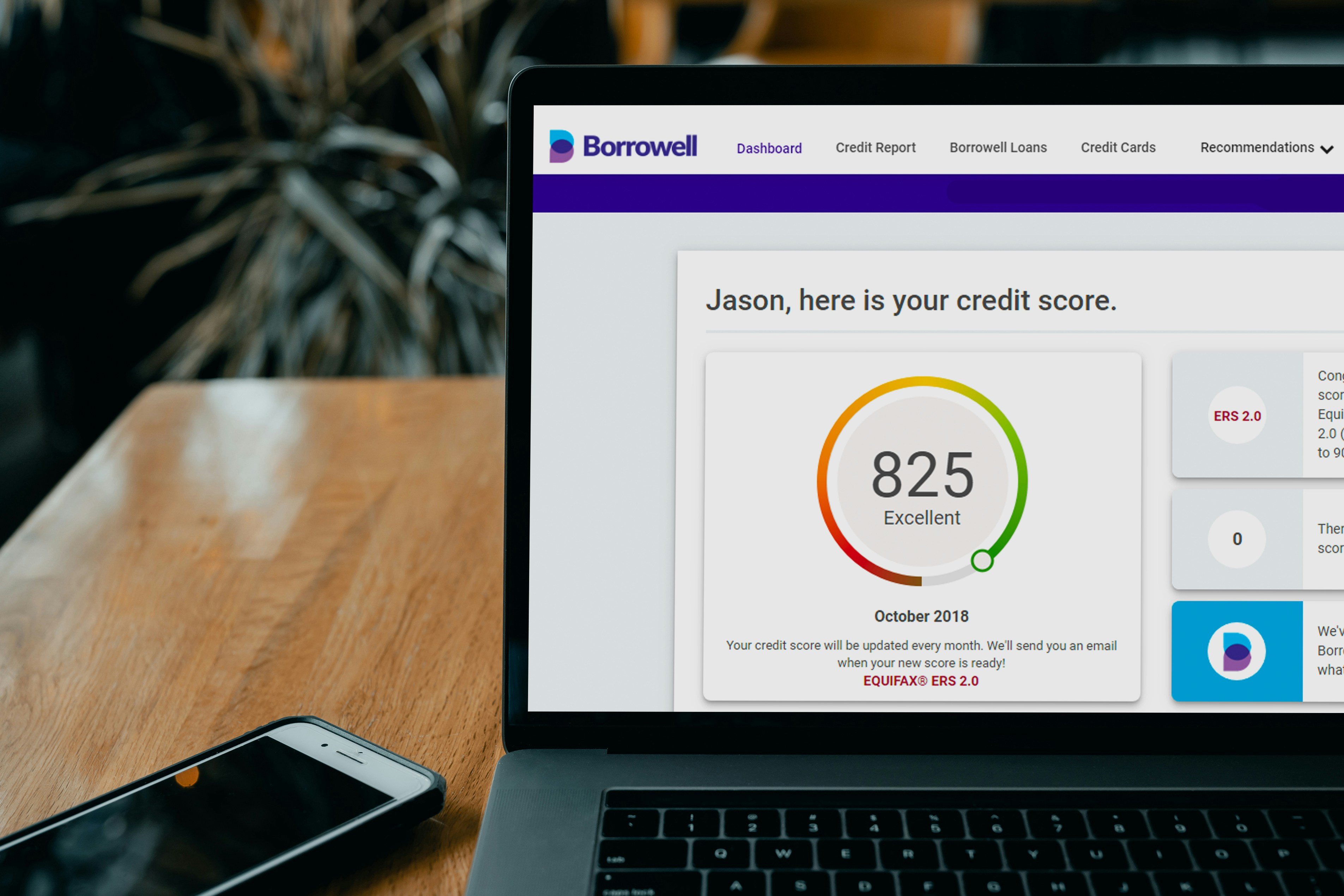
What is a Credit Score?
A credit score is a numerical representation of an individual’s creditworthiness, which reflects their ability to repay borrowed funds. Ranging typically from 300 to 850, this score is calculated based on various factors, including payment history, credit utilization, length of credit history, types of credit accounts, and recent inquiries. High credit scores signify reliability to lenders, while lower scores may indicate potential risks.
Credit scores play a critical role in the financial landscape of the United States, serving as a key determinant for lenders when evaluating loan applications. When consumers seek credit for mortgages, car loans, or credit cards, lenders assess the applicant’s credit score to gauge their likelihood of fulfilling repayment obligations. A higher score is often synonymous with lower interest rates offered by creditors, which can result in significant savings over time.
Furthermore, a good credit score can streamline various financial transactions. For instance, consumers with favorable credit scores are more likely to secure approved loans quickly, without the need for additional collateral. Conversely, individuals with poor credit scores may face higher interest rates, stricter payment terms, or even loan denial. This illustrates the vast implications a credit score holds in the financial market.
Maintaining a good credit score is therefore vital for personal financial health. It can influence a person’s buying power, housing options, and overall financial stability. By actively managing credit activities and understanding their impact on credit scores, consumers can work towards ensuring they maintain a desirable credit profile, which ultimately contributes to favorable financial opportunities.
The Components of a Credit Score
Understanding the components of a credit score is essential for anyone looking to improve their financial standing. A credit score typically ranges from 300 to 850 and is influenced by several key factors, each contributing to an individual’s overall creditworthiness.
One of the most significant elements is payment history, which accounts for approximately 35% of the score. This factor reflects an individual’s track record in paying bills on time. Late payments, collections, and bankruptcies can heavily influence this segment, illustrating the critical importance of timely payments in maintaining a healthy credit score.
Credit utilization, which constitutes about 30% of the score, measures the ratio of current credit card balances to credit limits. High utilization rates can indicate potential financial strain, as it suggests that a borrower may be overly reliant on credit. It is generally recommended that individuals maintain a utilization rate below 30% to positively impact their score.
The length of credit history factors in at around 15%. A longer credit history can be favorable as it provides creditors with more data regarding an individual’s financial behavior. Factors such as the age of the oldest account, the age of the newest account, and the average age of all accounts contribute to this aspect.
In addition, the types of credit in use comprise about 10% of a credit score. This includes various credit accounts such as mortgages, auto loans, credit cards, and personal loans. A diverse mix can enhance a credit profile, showcasing an individual’s ability to manage different types of credit responsibly.
Lastly, new credit inquiries account for roughly 10%. When a lender requests a credit report to assess an applicant’s creditworthiness, it results in a hard inquiry. Numerous inquiries within a short period can signal risk to lenders, thereby possibly lowering the credit score.
The Major Credit Reporting Agencies and Their Methodologies
In the United States, three major credit reporting agencies dominate the landscape—Experian, Equifax, and TransUnion. Each of these agencies plays a crucial role in the collection and maintenance of consumer credit information, which is essential for the calculation of credit scores. While they all strive to provide accurate assessments of an individual’s creditworthiness, their methodologies and scoring models can differ significantly.
Experian is known for its extensive database, which it updates frequently. The agency utilizes a scoring model known as FICO, as well as its proprietary scoring systems. Experian focuses on the payment history, amounts owed, length of credit history, new credit inquiries, and types of credit used to generate a credit score. By emphasizing these factors, Experian can provide lenders with a comprehensive view of a consumer’s credit behavior.
Equifax employs a similar overall approach but may weigh certain factors differently in its scoring methodology. It also utilizes FICO scores alongside its proprietary Equifax Credit Score. Particularly noteworthy is Equifax’s strong emphasis on credit utilization and accountage, which can lead to variances in the credit scores reported by different agencies for the same individual. Additionally, Equifax is recognized for its commitment to data security, which can impact how consumers trust the accuracy of their scores.
TransUnion, the third major agency, combines both traditional credit data and alternative information, such as rental and utility payment histories, to craft its credit scores. This approach may benefit individuals with limited credit histories, allowing them to establish a credit profile based on non-traditional data. Like its counterparts, TransUnion also uses both FICO and its proprietary scoring models, which can result in different credit score outcomes.
Overall, while Experian, Equifax, and TransUnion share similar foundational purposes, their methodologies in data collection and analysis highlight the importance of monitoring one’s credit report. Consumers are encouraged to access their credit reports regularly from all three agencies to ensure accuracy and maintain a healthy credit profile.
How to Improve Your Credit Score
Improving your credit score is a crucial step towards financial health and stability. A strong credit rating can unlock favorable loan terms, lower insurance premiums, and increased financial opportunities. Here are some effective strategies to enhance your credit score.
Firstly, always pay your bills on time. Payment history significantly influences credit scores, making punctual payments essential. Consider setting up automatic payments or reminders to avoid missed deadlines, thereby helping to maintain a positive payment record.
Secondly, focusing on reducing outstanding debt is vital. High credit utilization, defined as the ratio of your outstanding balances to your credit limits, can negatively impact your score. Aim to keep this ratio below 30%. Consider implementing the debt snowball or avalanche methods to effectively pay down existing debts.
Additionally, correcting errors found in your credit report can substantially benefit your score. It’s wise to review your credit reports periodically from major credit bureaus to ensure accuracy. If you identify discrepancies, promptly dispute these errors to have them rectified.
Moreover, maintaining a diverse credit mix can contribute positively to your credit profile. A blend of credit cards, loans, and mortgages may depict to lenders that you can manage different types of debt responsibly. However, only open new credit accounts as necessary, as unnecessary inquiries can temporarily lower your credit score.
Furthermore, avoid common pitfalls that can adversely affect your credit score. These include maxing out your credit cards, applying for numerous loans in a short period, or neglecting old credit accounts, as longer credit histories generally strengthen credit scores.
By implementing these practical tips, you can work towards improving your credit score, leading to enhanced financial opportunities and lower borrowing costs in the future.